how-to
How to Treat Painful Ingrown Hairs: A Step-by-Step Guide
Mandy Davis · 13 July 2026 · 12 min read
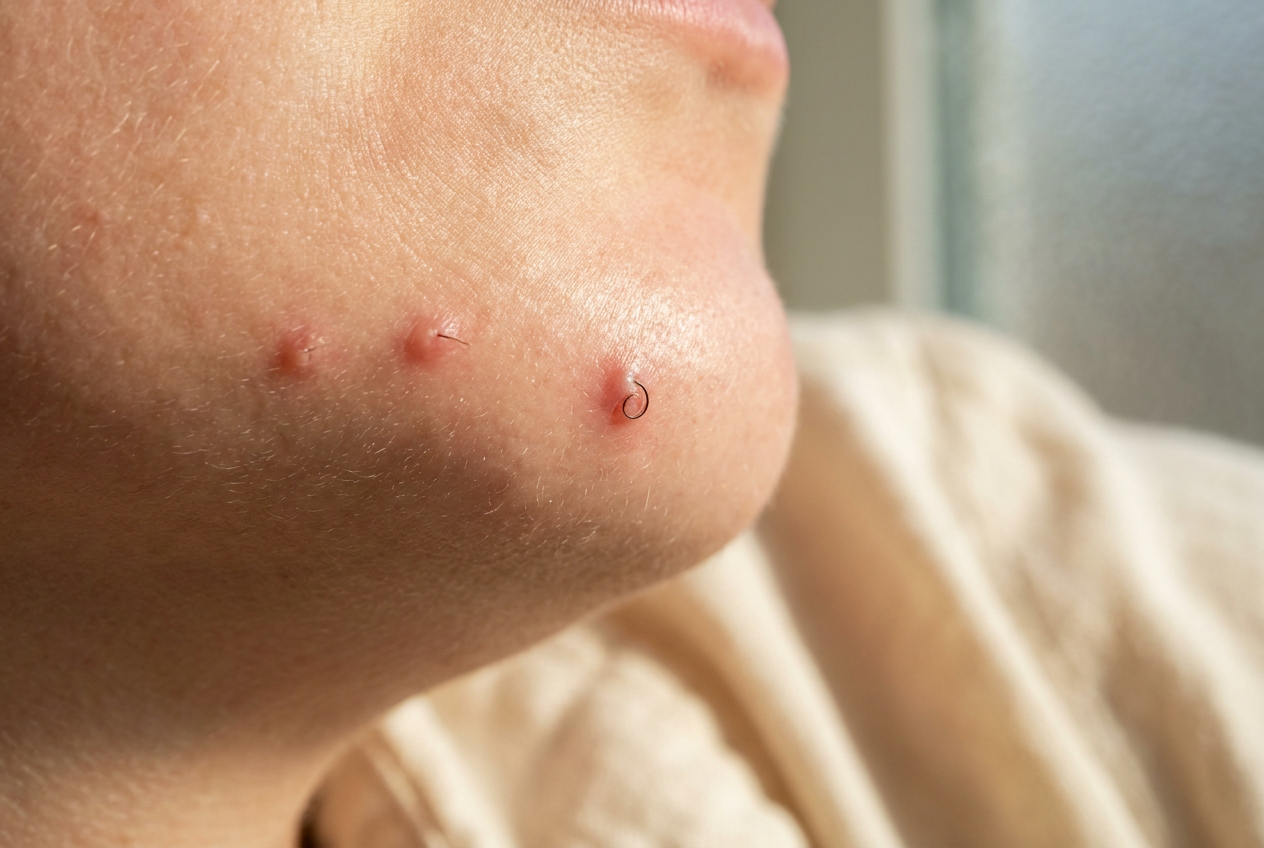
Table of Contents
- What Is an Ingrown Hair and Why It Becomes Painful
- Common Causes of Painful Ingrown Hairs
- How to Treat Painful Ingrown Hairs at Home: Step-by-Step Methods
- Best Products for Ingrown Hairs: Ingredients That Work
- Infected Ingrown Hair Symptoms: When to Seek Medical Help
- How Long Do Ingrown Hairs Last Without Treatment
- How to Prevent Ingrown Hairs: Techniques and Best Practices
- Managing Scarring After Ingrown Hair Treatment
How to Treat Painful Ingrown Hairs: A Step-by-Step Guide
Last Updated: June 29, 2026
Ingrown hairs affect millions of people yearly, causing discomfort ranging from mild irritation to severe pain. Learning how to treat them is essential if you've experienced that tender, inflamed bump beneath the skin's surface. At Vale Laser Aesthetics across our three South Wales clinics, we've helped countless clients resolve ingrown hair issues and prevent recurrence. This guide covers practical, evidence-based methods you can use at home, plus when professional intervention becomes necessary. If you keep getting them and want to stop them coming back for good, see our guide on how to stop ingrown hairs permanently.
What Is an Ingrown Hair and Why It Becomes Painful
An ingrown hair occurs when a hair follicle curls back and grows into the skin instead of emerging from the surface. The body responds by triggering inflammation, causing redness, swelling, and tenderness. White blood cells rush to the area, creating pustules that can become infected if left untreated.
Pseudofolliculitis barbae, a condition common in people with curly or coarse hair, represents a more severe form of ingrown hair irritation. The curved hair shaft naturally wants to curl back toward the skin, making ingrown hairs particularly common in individuals with textured hair.
Common Causes of Painful Ingrown Hairs
Shaving too closely to the skin, particularly with dull blades, creates sharp edges that curl back easily. Waxing and tweezing can also cause ingrown hairs as new hair grows back and curves inward before reaching the surface.
Friction from tight clothing plays an underestimated role. Tight jeans, fitted leggings, or snug underwear create constant pressure against hair follicles, encouraging hair to curl inward. This is why ingrown hairs appear frequently on the legs, bikini line, and underarms.
Dead skin cells accumulating around the hair follicle can trap emerging hair. When you don't exfoliate regularly, dead skin builds up and blocks the hair's path to the surface. Hormonal changes during puberty or menstrual cycles can increase sebum production and skin sensitivity, making follicles more prone to clogging.
How to Treat Painful Ingrown Hairs at Home: Step-by-Step Methods
Step 1: Cleanse and Soften the Area
Wash the affected area with warm water and a gentle cleanser. Pat the skin dry gently without rubbing harshly. Apply a warm compress to the ingrown hair for 5-10 minutes. Soak a clean cloth in warm water and hold it against the bump to soften the skin and open the hair follicle. Repeat 2-3 times daily for best results.

Step 2: Apply a Warm Compress
Warm compresses are among the most effective at-home treatments. The heat increases blood flow to the area, promoting healing and encouraging the hair to surface naturally. Use a clean flannel or soft cloth, never reusing the same cloth without washing it. Repeat several times daily, morning, afternoon, and evening work well. Many people find that consistent warm compress use resolves mild ingrown hairs within 2-3 days.
If you prefer, add a small amount of salt to the warm water for mild antiseptic properties, though plain warm water works equally well.
Step 3: Gentle Exfoliation
Once the skin has softened, gentle exfoliation can help remove dead skin cells blocking the hair's path. Use a soft exfoliating brush, washcloth, or a chemical exfoliant containing salicylic acid or glycolic acid. Apply gently in circular motions, avoiding aggressive scrubbing which worsens inflammation.
Exfoliate once daily during treatment, preferably in the evening. Over-exfoliating irritates the skin further. Once the hair surfaces and heals, continue gentle exfoliation 2-3 times weekly to prevent future ingrown hairs.
Step 4: Release the Trapped Hair Safely
If the hair tip is visible beneath the skin's surface, you can carefully release it using a sterile needle or tweezers. Sterilise your needle by wiping it with rubbing alcohol. Gently lift the visible hair loop with the needle, being careful not to dig into healthy skin. Once the hair is raised above the surface, use clean tweezers to pull it out.
If you cannot see the hair tip or feel uncomfortable performing this step, skip it. Many ingrown hairs resolve without manual extraction if you continue warm compresses and exfoliation.
Best Products for Ingrown Hairs: Ingredients That Work
Salicylic acid, a beta-hydroxy acid, penetrates the pore and dissolves dead skin cells that trap hair. Products containing 1-2% salicylic acid can be used daily on affected areas. Glycolic acid, an alpha-hydroxy acid, works similarly and is slightly gentler for sensitive skin.
Benzoyl peroxide reduces bacterial colonisation and promotes skin clarity at 2-5% concentration. Hydrocortisone cream reduces inflammation and itching; a 1% concentration applied twice daily for 3-5 days significantly reduces pain and swelling. Limit use to short-term treatment as prolonged application can thin the skin.
Allantoin, azulene, and witch hazel soothe irritated skin and promote healing. Look for products combining multiple ingredients, many effective ingrown hair treatments include salicylic acid, hydrocortisone, and soothing botanicals together.
Infected Ingrown Hair Symptoms: When to Seek Medical Help
Most ingrown hairs resolve within 1-2 weeks with at-home treatment. However, certain signs indicate infection has developed. If you notice pus, increased warmth radiating from the bump, or spreading redness beyond the immediate area, infection is likely present.
Signs of infection include fever, increasing pain despite treatment, or the bump becoming larger over several days. If you have diabetes, compromised immunity, or a history of severe skin infections, seek medical help for any ingrown hair rather than treating it at home.
A dermatologist may prescribe topical antibiotics or manually extract the hair under sterile conditions. For persistent or recurrent ingrown hairs, professional treatments like laser hair removal offer permanent solutions.
How Long Do Ingrown Hairs Last Without Treatment
A mild ingrown hair often resolves on its own within 1-2 weeks as the hair naturally works its way out. However, without any treatment, the timeline extends significantly. Some ingrown hairs persist for several weeks or months if left completely untouched.
Duration depends on hair thickness, skin sensitivity, and whether the area experiences ongoing friction. If you continue wearing tight clothing over an untreated ingrown hair, constant pressure keeps it irritated and delays healing. Infected ingrown hairs follow a different timeline and can worsen over days without treatment.
How to Prevent Ingrown Hairs: Techniques and Best Practices
Prevention is far more effective than treatment. Understanding what causes ingrown hairs allows you to modify your hair removal and skincare routine accordingly.
Shaving Techniques to Avoid Ingrown Hairs
Always shave in the direction of hair growth, not against it. Shaving against the grain cuts hair below the skin's surface, creating sharp edges that curl back. Prepare your skin by softening hair with warm water for 5-10 minutes before shaving. Apply a quality shaving gel or cream designed for sensitive skin.
Use a sharp, clean razor. Dull blades tug at hair rather than cutting cleanly. Replace your razor blade after 5-7 uses. Shave gently without pressing hard; let the razor's weight do the work. After shaving, rinse with cool water to close pores and reduce inflammation.
Post-Shave Care and Skin Barrier Protection
Apply a moisturiser immediately after shaving while skin is still slightly damp. This locks in hydration and strengthens the skin barrier. Avoid applying deodorant, perfumed products, or harsh chemicals to freshly shaved skin for at least 24 hours. Similarly, avoid tight clothing for at least 12 hours to allow the skin barrier to recover.
Exfoliate gently 2-3 times weekly, but never immediately after shaving. Wait at least 24 hours. Consider using a post-shave product containing salicylic acid or glycolic acid. Many people find that incorporating these products into their post-shave routine reduces ingrown hairs by 50% or more.
Alternative Hair Removal Methods
If shaving consistently causes ingrown hairs despite your best efforts, alternative methods may suit you better. Depilatory creams dissolve hair at the skin's surface rather than cutting it, eliminating sharp edges. Sugaring and threading remove hair from the root like waxing, and some people experience fewer ingrown hairs with these methods.
Laser hair removal offers the most effective long-term solution. By gradually reducing hair density and thickness over several sessions, laser treatment minimises the hair available to become ingrown. At Vale Laser Aesthetics, our state-of-the-art FDA-approved technology delivers permanent hair reduction with minimal discomfort. Our fully qualified, HIW-approved practitioners customise treatment to your skin type and hair colour across our Pontyclun and wider South Wales locations.
Managing Scarring After Ingrown Hair Treatment
Some ingrown hairs leave behind temporary or permanent scarring, particularly if they became infected or were extracted aggressively. Post-inflammatory hyperpigmentation, darker skin in the treated area, often appears after healing and typically fades within several months.
Atrophic scars, which appear as small indentations, occasionally develop if the ingrown hair caused significant tissue damage. To prevent scarring, avoid picking at or aggressively extracting ingrown hairs. Allow them to resolve naturally using warm compresses and exfoliation.
For existing scars, professional treatments can help. Microdermabrasion gently removes the skin's outer layer, gradually reducing scar visibility. Chemical peels accelerate skin cell turnover, helping newer scars fade faster.
Painful ingrown hairs disrupt your confidence and comfort, but they're entirely manageable with the right approach. Most cases resolve within 1-2 weeks using warm compresses, gentle exfoliation, and proper post-shave care. If you struggle with recurrent ingrown hairs despite prevention efforts, professional laser hair removal eliminates the problem permanently. At Vale Laser Aesthetics, our award-winning team across South Wales has delivered over 5,000 successful treatments using FDA-approved technology. We offer free, no-obligation consultations to discuss how permanent hair reduction can transform your skin health and confidence. Book your consultation today and discover why 230+ five-star reviews trust Vale Laser Aesthetics for lasting results.
Key Treatment Summary
| Method | Duration | Frequency | Best For |
|---|---|---|---|
| Warm compress | 5-10 minutes | 2-3 times daily | Initial inflammation reduction |
| Chemical exfoliation | 10-15 minutes | Once daily during treatment | Removing dead skin cells |
| Salicylic acid products | Apply and leave | Daily | Preventing future ingrown hairs |
| Manual extraction | 2-5 minutes | Once, if needed | Visible hair loops only |
| Laser hair removal | 15-30 minutes per session | 6-8 weeks apart, 6-8 sessions | Permanent prevention |
External Resources
According to the British Dermatological Association's guidance on hair removal, proper technique and aftercare significantly reduce ingrown hair complications.
Research from the American Academy of Dermatology's resource on pseudofolliculitis barbae confirms that individuals with curly or textured hair experience higher ingrown hair rates and benefit from targeted prevention strategies.
The NHS guidance on skin infections and when to seek medical care recommends professional evaluation if signs of infection develop, including spreading redness, pus, or fever.
Frequently Asked Questions
What is the fastest way to get rid of a painful ingrown hair?
The fastest approach combines warm compresses, gentle exfoliation, and topical treatments. A warm compress applied for 10-15 minutes softens the skin and reduces inflammation, whilst salicylic acid or glycolic acid exfoliants help remove dead skin cells trapping the hair. If the hair is visible, carefully use a sterile needle to release it. For how to treat painful ingrown hairs effectively, consistency matters more than speed, most respond within 5-7 days with proper care.
What are the signs of an infected ingrown hair?
Infected ingrown hair symptoms include increased redness, warmth, swelling, pus or discharge, and spreading inflammation beyond the initial area. You may also experience fever or enlarged lymph nodes nearby. If you notice these infected ingrown hair symptoms, stop home treatment and consult a healthcare provider. Infections can develop into folliculitis or pseudofolliculitis barbae if left untreated, requiring prescription treatments like clindamycin or antibiotics.
Can warm compresses really help treat ingrown hairs?
Yes, warm compresses are highly effective. They increase blood flow, soften the skin, reduce inflammation, and help the trapped hair work its way out naturally. Apply a clean, warm (not hot) compress for 10-15 minutes, two to three times daily. This method is especially useful when combined with gentle exfoliation and topical products containing salicylic acid or benzoyl peroxide, which address dead skin cells and bacteria simultaneously.
How long do ingrown hairs last if left untreated?
Without intervention, ingrown hairs can persist for weeks or even months. Some resolve naturally as new skin sheds and the hair eventually emerges, whilst others become chronic, causing recurring inflammation and scarring. The duration depends on hair texture, skin sensitivity, and whether infection develops. Treating them promptly, within the first few days, dramatically reduces how long do ingrown hairs last and minimises the risk of permanent skin damage.