ultimate-guide
How to Stop Ingrown Hairs Permanently: Expert Guide
Mandy Davis · 10 July 2026 · 11 min read
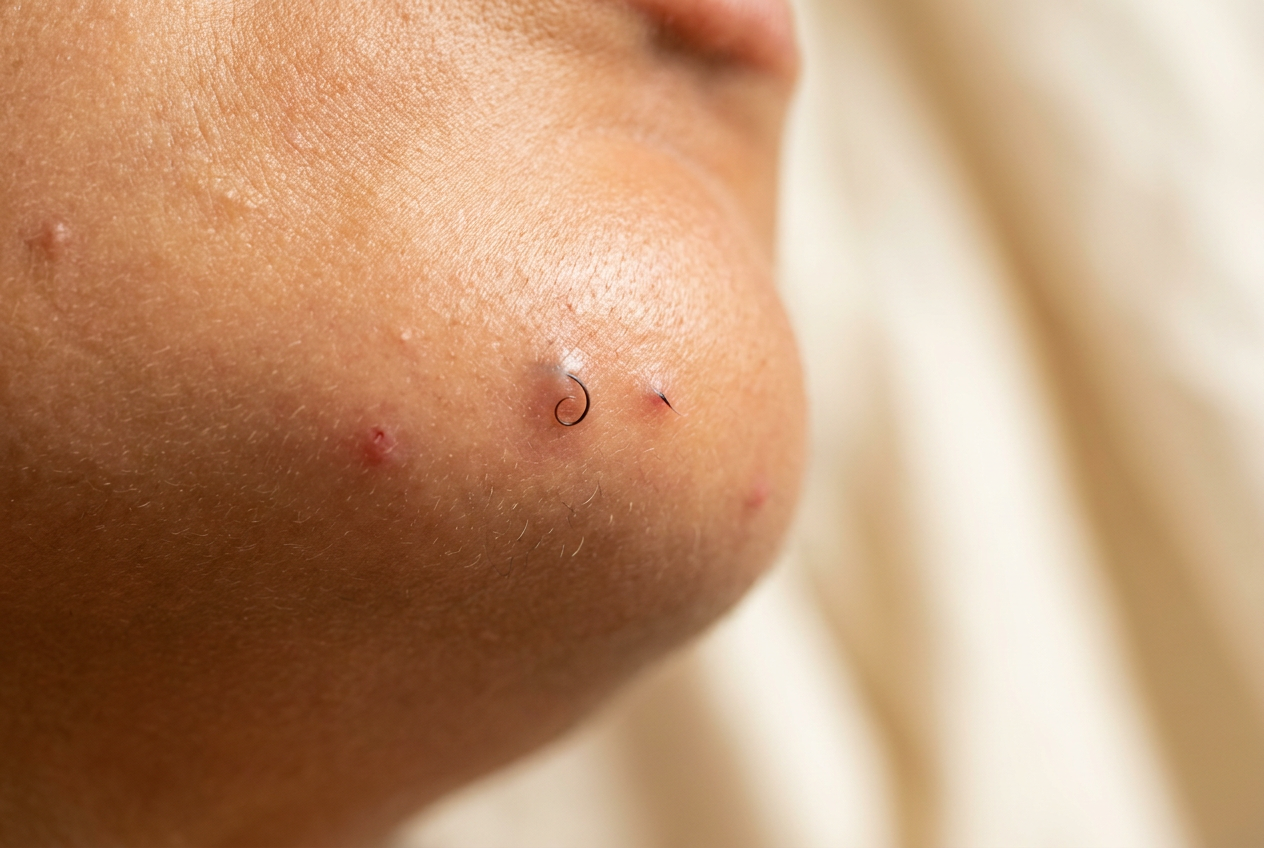
Table of Contents
- How to Stop Ingrown Hairs Permanently: Understanding Root Causes
- Laser Hair Removal for Ingrown Hairs: The Permanent Solution
- How to Prevent Ingrown Hairs After Shaving
- Best Ingrown Hair Treatment: Chemical Exfoliation Strategies
- Chemical Exfoliation for Ingrown Hairs: Product Selection by Skin Type
- Common Mistakes That Prevent Permanent Resolution
- Creating Your Permanent Ingrown Hair Prevention Plan
- Conclusion
How to Stop Ingrown Hairs Permanently: Expert Guide
Last Updated: June 28, 2026
How to Stop Ingrown Hairs Permanently: Understanding Root Causes
Ingrown hairs develop when hair grows back into the skin instead of extending outward, creating inflammation, discomfort, and often infection. At Vale Laser Aesthetics, we've worked with thousands of clients across our South Wales clinics to identify lasting solutions beyond temporary fixes. This guide explores permanent strategies that actually work, from prevention techniques to advanced laser treatments that eliminate the problem at its source.
Why ingrown hairs develop and recur
Ingrown hairs form when the hair shaft curves back and re-enters the skin. This happens most commonly in areas where hair is naturally curly or coarse, or where shaving creates a blunt edge that's more likely to curl beneath the surface. When you cut hair with a razor, you create a sharp point that initially extends above the skin. As the hair grows, that newly blunt edge can catch on dead skin cells or the hair follicle itself, causing it to turn inward. The skin then heals over it, trapping the hair beneath the surface.
The real issue is that traditional shaving addresses only the symptom, visible hair, not the underlying growth pattern. As long as you're cutting hair at the surface level, the potential for ingrown hairs remains.
Risk factors and skin types most affected
Curly or coarse hair is significantly more prone to ingrown hairs than straight, fine hair because the natural curl pattern encourages the hair to turn back toward the skin. People with darker skin tones experience ingrown hairs at higher rates, partly due to hair texture and partly because of how the inflammatory response appears visually.
Tight clothing that creates friction against freshly shaved areas increases ingrown hair risk, as does frequent shaving in the same location. Dehydrated skin and poor exfoliation habits compound the problem by allowing dead skin cells to accumulate, which traps emerging hairs. Hormonal fluctuations can also affect hair texture and growth patterns, making some periods of life more problematic than others.
Laser Hair Removal for Ingrown Hairs: The Permanent Solution
Laser hair removal represents the most effective permanent approach to stopping ingrown hairs. Unlike shaving or waxing, which remove only the visible hair shaft, laser technology targets the hair follicle itself, preventing regrowth entirely. This eliminates the root cause, there's no hair to become ingrown if there's no hair growing back.
How laser technology prevents ingrown hairs
Laser hair removal works by emitting concentrated light energy that travels through the skin and is absorbed by melanin in the hair follicle. This heat damages the follicle's ability to produce new hair. Over a series of treatments, the follicles stop producing hair altogether, resulting in permanent or near-permanent hair reduction.
The mechanism directly prevents ingrown hairs because there is no new hair growth to become trapped. Once a follicle is permanently disabled, it cannot produce a hair shaft that might curl back into the skin. At Vale Laser Aesthetics, we use medical-grade technology across our three South Wales locations, tailored to your individual skin type and hair characteristics.
What to expect during and after treatment
Laser hair removal requires multiple sessions because hair grows in cycles. Most people need 6-8 sessions for significant permanent reduction, spaced several weeks apart to catch hair as it enters the growth phase.
During treatment, you'll feel a sensation similar to a rubber band snapping against the skin. Sessions typically take 15-45 minutes depending on the area being treated. After treatment, the skin may be red and slightly swollen for a few hours, this is normal and indicates the laser has effectively targeted the follicles. Avoid sun exposure, hot water, and intense exercise for 24-48 hours. The treated hairs will shed over the following 1-2 weeks as the body naturally expels the damaged follicles.
How to Prevent Ingrown Hairs After Shaving
If you choose to continue shaving while working toward permanent solutions, proper technique dramatically reduces ingrown hair risk.
Proper shaving technique and tool selection
Start with a sharp, single-blade razor. Multi-blade razors cut hair slightly below the skin surface, which increases the likelihood of the hair curling back into the skin as it grows. Keep your razor sharp and replace it every 5-7 shaves.

Shave in the direction of hair growth, not against it. Shaving against the grain creates a shorter, blunter edge that's more likely to curl back into the skin. Apply light pressure and use short, gentle strokes rather than long, aggressive ones.
Pre- and post-shave skincare essentials
Soak the area in warm water for 2-3 minutes before shaving to soften hair and open pores. Apply a quality shaving cream or gel that provides lubrication and protection. After shaving, rinse with cool water and apply a fragrance-free, non-comedogenic moisturiser.
Exfoliate regularly but gently, using a soft exfoliating cloth or gentle chemical exfoliant 2-3 times per week to remove dead skin cells that can trap emerging hairs. Wear loose clothing for at least 24 hours after shaving to reduce friction against freshly shaved skin.
Best Ingrown Hair Treatment: Chemical Exfoliation Strategies
Chemical exfoliation using alpha-hydroxy acids (AHAs) and beta-hydroxy acids (BHAs) is one of the most effective prevention methods available. These ingredients dissolve the bonds between dead skin cells, removing the barrier that traps emerging hairs.
AHA and BHA products for ongoing prevention
AHAs, such as glycolic acid and lactic acid, work on the skin's surface. Glycolic acid is particularly effective because of its small molecular size, which allows deep penetration. Lactic acid is gentler and better suited for sensitive skin.
BHAs, primarily salicylic acid, penetrate deeper into pores because they're oil-soluble. This makes them ideal for preventing ingrown hairs because they can reach into the hair follicle itself and dissolve the keratin buildup that traps hairs.
Use a chemical exfoliant 3-4 times per week after shaving. Start with lower concentrations (5-10% for AHAs, 0.5-2% for BHAs) if your skin is sensitive. People using regular chemical exfoliation report 60-80% reduction in ingrown hairs within 2-3 weeks.
Ingredient avoidance list and what to look for
Avoid products containing fragrance, essential oils, or alcohol when treating ingrown hair-prone skin. Skip products with silicones, which can clog pores and trap hairs. Avoid heavy oils immediately after shaving.
Look for products that combine exfoliating acids with soothing ingredients. Niacinamide reduces inflammation and strengthens the skin barrier. Centella asiatica (cica) calms irritation and supports healing. Hyaluronic acid provides hydration without heaviness.
Chemical Exfoliation for Ingrown Hairs: Product Selection by Skin Type
Your skin type determines which exfoliating approach works best.
Sensitive and reactive skin considerations
Sensitive skin requires a gentler approach. Start with lactic acid at 5-8% concentration rather than glycolic acid. Apply it just 2-3 times per week initially. Avoid salicylic acid initially if your skin is reactive.
Include barrier-supporting ingredients in your routine. Apply a hydrating toner before your exfoliant to buffer the treatment. Follow with a rich but non-comedogenic moisturiser containing ceramides and niacinamide. Use sunscreen religiously, exfoliated skin is more sun-sensitive, and SPF 30+ broad-spectrum protection is essential.
Combination and oily skin protocols
Oily and combination skin can tolerate stronger exfoliation. Glycolic acid at 10% concentration works well, applied 4-5 times per week. You can also introduce salicylic acid at 1-2% concentration. Space treatments out: use glycolic acid on Monday, Wednesday, and Friday, and salicylic acid on Tuesday and Thursday.
Oily skin benefits from lightweight, water-based formulations. Use hydrating serums with hyaluronic acid and niacinamide rather than creamy exfoliants. Consider a clay mask 1-2 times per week to manage excess sebum on non-exfoliation days.
Common Mistakes That Prevent Permanent Resolution
The biggest mistake is inconsistency. Ingrown hair prevention requires sustained effort for 8-12 weeks minimum. People often see improvement after 2-3 weeks and then stop their routine, only to have the problem return.
Shaving too frequently significantly increases ingrown hair risk. If you must shave daily, use an electric razor set to a higher setting. Over-exfoliating causes more problems than it solves, using physical scrubs aggressively or applying chemical exfoliants daily damages the skin barrier and worsens ingrown hairs.
Picking at ingrown hairs creates open wounds and increases infection risk. Ignoring skin hydration is also common, dehydrated skin is more prone to ingrown hairs because the outer layer becomes flaky and traps emerging hairs.
Creating Your Permanent Ingrown Hair Prevention Plan
A comprehensive plan addresses multiple factors simultaneously.
| Prevention Method | Frequency | Timeline to Results | Best For |
|---|---|---|---|
| Proper shaving technique | Every shave | 2-3 weeks | Immediate ingrown hair reduction |
| Chemical exfoliation (AHA/BHA) | 3-5 times weekly | 2-4 weeks | Ongoing prevention |
| Gentle moisturising | Daily | 1-2 weeks | Supporting skin barrier |
| Loose clothing | After shaving | Immediate | Reducing friction irritation |
| Laser hair removal | 6-8 sessions, 4-6 weeks apart | 3-6 months | Permanent elimination |
Start with shaving technique and chemical exfoliation. Implement proper shaving method immediately, this alone prevents the majority of ingrown hairs for many people. Add chemical exfoliation within the first week.
After 4 weeks, assess your progress. If ingrown hairs have reduced by 50% or more, continue this routine indefinitely. If improvement is minimal, laser hair removal becomes the logical next step. Combine laser treatment with maintenance of your prevention routine for the most reliable permanent results.
Conclusion
Ingrown hairs are frustrating, but they're not inevitable. Permanent solutions exist across multiple approaches: proper shaving technique, chemical exfoliation, and laser hair removal. Vale Laser Aesthetics specialises in laser hair removal using medical-grade technology. Our fully qualified, HIW-approved practitioners tailor treatments to your individual needs across three South Wales clinics. Book your free, no-obligation consultation today to explore how laser treatment can permanently eliminate ingrown hairs.
Frequently Asked Questions
Can you ever get rid of ingrown hairs permanently?
Yes, permanent solutions exist. Laser hair removal offers the most effective long-term approach, reducing or eliminating hair growth entirely. For those not pursuing laser treatment, consistent exfoliation, proper shaving technique, and professional skincare can dramatically reduce ingrown hair occurrence. The key is addressing the root cause, hair growing back into the skin, rather than treating symptoms alone.
What is the best hair removal method to prevent ingrown hairs?
Laser hair removal is the gold standard for preventing ingrown hairs permanently, as it targets the hair follicle itself rather than cutting hair at the surface. If you continue shaving, use a sharp single-blade razor, shave in the direction of hair growth, and exfoliate regularly with chemical exfoliants like salicylic acid or glycolic acid. Avoid waxing and plucking, which can increase ingrown hair risk.
Does laser hair removal stop ingrown hairs forever?
Laser hair removal significantly reduces ingrown hairs by gradually eliminating hair growth over multiple sessions. Most people experience permanent hair reduction after a full treatment course, though some fine regrowth may occur years later. Results depend on hair colour, skin type, and consistency of treatment. Professional laser treatments from qualified practitioners offer the best chance of lasting results.
Which ingredients should I avoid in ingrown hair treatments?
Avoid heavy oils, petroleum jelly on active ingrown hairs (though gentle moisturising afterwards is beneficial), and fragrance-heavy products that irritate skin. Skip physical scrubs that can worsen inflammation. Instead, choose chemical exfoliants with salicylic acid (BHA) for oily skin or glycolic acid (AHA) for sensitive skin. Look for non-comedogenic, fragrance-free formulations that won't clog pores or trigger irritation.