ultimate-guide
Why Choose Medical Grade Laser Hair Removal in 2026
Mandy Davis · 17 June 2026 · 15 min read
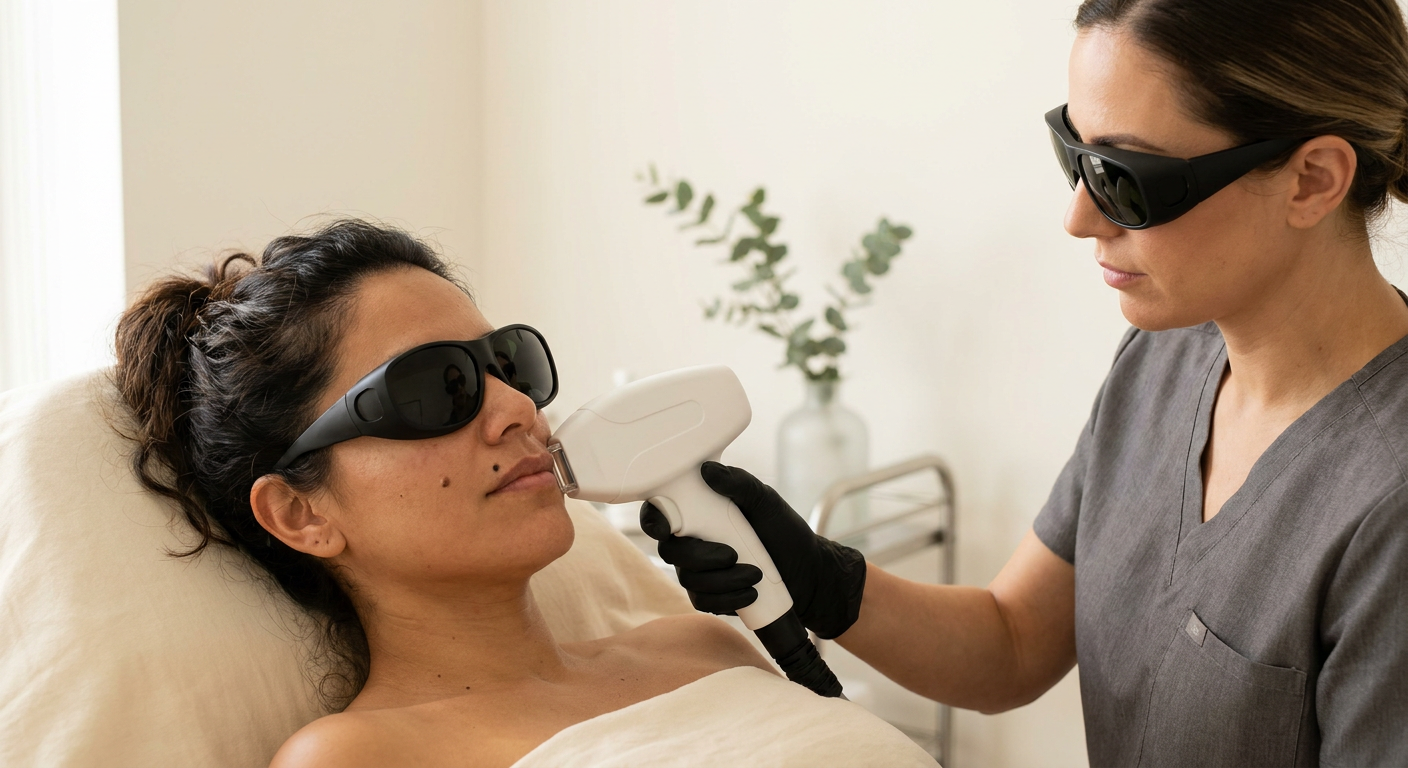
Table of Contents
- Why Choose Medical Grade Laser Hair Removal Over Other Options
- Medical Grade Laser Hair Removal vs IPL: Key Differences Explained
- How Medical Grade Laser Hair Removal Works: The Science Behind the Results
- Skin Tone and Hair Colour Compatibility: Who Can Be Treated
- How Many Sessions for Laser Hair Removal? What to Realistically Expect
- Safety, Side Effects, and Why Qualified Practitioners Matter
- Laser Hair Removal Aftercare Tips for the Best Results
- Your Consumer Verification Guide: Choosing a Clinic You Can Trust
Last Updated: June 14, 2026
Understanding why choose medical grade laser hair removal over cheaper alternatives is one of the most important questions anyone considering permanent hair reduction can ask. At Vale Laser Aesthetics, we see this question constantly across our three South Wales clinics, and the honest answer involves real differences in technology, safety, and long-term outcomes. Not all laser hair removal is created equal, and the gap between medical grade and cosmetic grade devices is wider than most marketing materials admit.
Why Choose Medical Grade Laser Hair Removal Over Other Options
What 'Medical Grade' Actually Means
Medical grade laser is a specific classification, not a marketing term. A medical grade laser device has passed rigorous regulatory review, operates at clinically validated energy outputs, and is designed for use by trained practitioners in a controlled clinical environment.
The term "laser" gets applied to an enormous range of devices, from low-powered LED gadgets to genuine medical instruments. Medical grade devices deliver precise, controlled energy to the hair follicle at wavelengths proven to target melanin effectively. Cosmetic grade devices typically operate at lower fluences, directly limiting their ability to achieve permanent hair reduction.
A common mistake is assuming any device marketed as "professional" is medical grade. The word professional has no regulatory definition in aesthetics. Medical grade does.
FDA Clearance vs. Marketing Claims: How to Tell the Difference
FDA clearance via the 510(k) pathway is the gold standard for verifying that a laser device has demonstrated safety and efficacy through controlled testing. According to FDA's guidance on laser device classification, devices cleared through this pathway must demonstrate substantial equivalence to a legally marketed predicate device, with documented safety and performance data.
FDA clearance is not the same as FDA approval, and it is certainly not the same as a manufacturer's claim that their device is "clinically tested." Clearance requires documented evidence. Marketing claims require nothing.
When evaluating a clinic, ask directly: "What is the 510(k) number for your laser device?" A reputable clinic will have this immediately available. If they cannot answer, walk away.
Medical Grade Laser Hair Removal vs IPL: Key Differences Explained
Laser and IPL are fundamentally different technologies, and the difference has real consequences for your results.
Wavelength Specificity and Controlled Dosing
Intense pulsed light (IPL) uses a broad spectrum of light across multiple wavelengths. Laser diodes emit a single, specific wavelength, such as 810nm for diode systems, targeting melanin in the hair follicle with far greater precision.
This matters for two reasons. First, wavelength specificity means energy goes where it needs to go. A 810nm diode laser targets melanin in the hair shaft and follicle without scattering energy across surrounding tissue. IPL delivers a broader energy spread, reducing efficacy and increasing the risk of thermal damage to surrounding skin pigment. Second, medical grade laser systems allow the practitioner to adjust fluence, pulse duration, and spot size based on your skin tone, hair colour, and hair density. IPL offers far less precision.
As documented in British Journal of Dermatology guidance on laser vs IPL efficacy, laser-based systems consistently demonstrate superior clinical efficacy for permanent hair reduction compared to IPL.
Comparison Table: Medical Grade Laser vs IPL vs At-Home Devices
| Feature | Medical Grade Laser | IPL (Clinic) | At-Home IPL/LED |
|---|---|---|---|
| Wavelength | Single, precise (nm) | Broad spectrum | Very low, broad |
| Energy output | High, clinically calibrated | Moderate | Low |
| FDA clearance | Yes (510k) | Varies | Varies |
| Skin tone range | Full range (device dependent) | Limited | Very limited |
| Permanent reduction | Yes | Partial | Minimal |
| Practitioner required | Yes | Yes | No |
| Regulatory oversight | Full | Partial | Minimal |
| Cost per session | Higher | Moderate | Low upfront |
Consumer devices operate at energy levels low enough to be safe for unsupervised use, which by definition means they cannot deliver the energy required for genuine permanent hair reduction.
How Medical Grade Laser Hair Removal Works: The Science Behind the Results
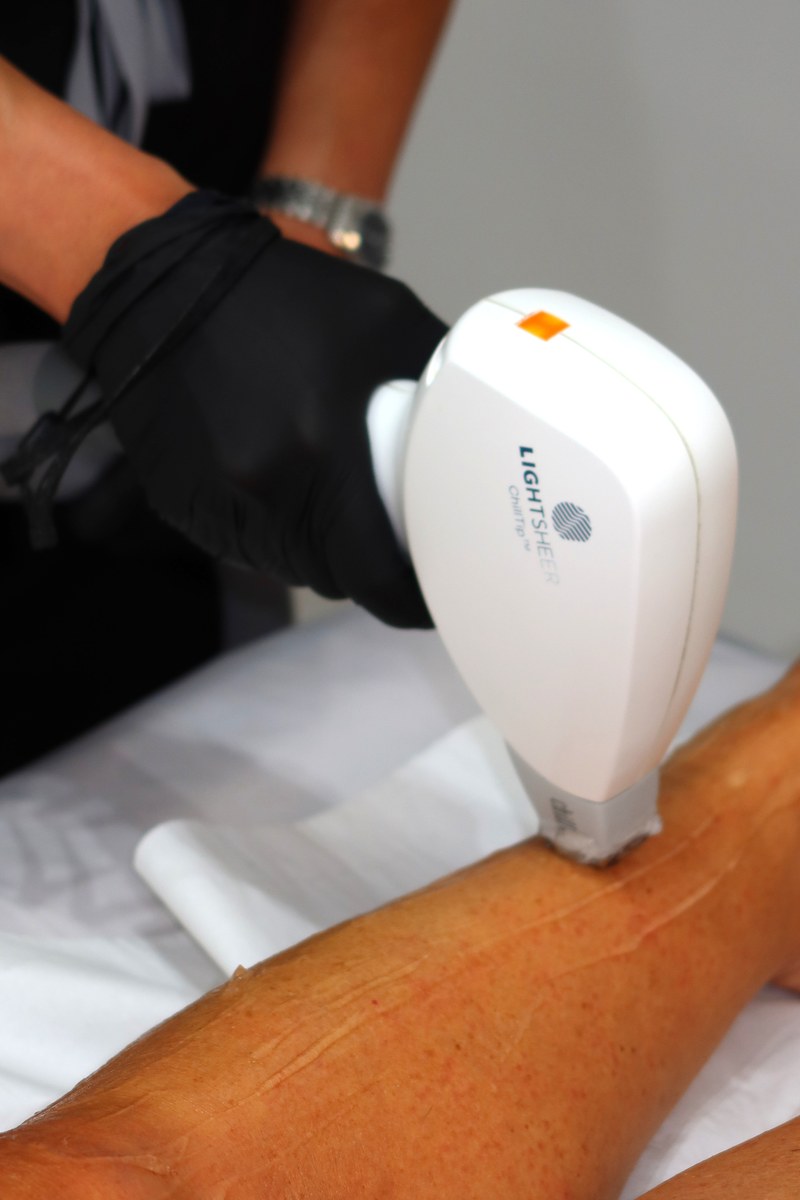
Medical grade laser hair removal works through selective photothermolysis: laser energy at a specific wavelength is absorbed by melanin in the hair follicle, converting to heat that disables the follicle's ability to produce new hair. The process is non-invasive and targets the follicle without damaging surrounding skin when performed correctly.
Photobiomodulation and the Hair Growth Cycle
The hair growth cycle has three phases: anagen (active growth), catagen (transition), and telogen (resting). Laser energy is most effective during the anagen phase, when the hair shaft is connected to the follicle and melanin concentration is highest. At any given time, only a proportion of follicles are in anagen, which is why multiple sessions are required.
Photobiomodulation refers to the cellular response triggered by specific wavelengths of light. The laser heats the follicle to a temperature that disrupts its regenerative capacity without causing thermal damage to the surrounding dermis. Note that low-level light therapy (LLLT), used in hair regrowth applications, operates on different principles and significantly lower energy levels than medical grade hair removal lasers.
The hair growth cycle also varies by body area, facial hair cycles faster than leg or back hair, directly affecting the recommended interval between sessions. A well-trained practitioner will adjust your treatment schedule accordingly rather than applying a one-size-fits-all protocol.
Skin Tone and Hair Colour Compatibility: Who Can Be Treated
Skin tone and hair colour compatibility is the most important safety variable in laser hair removal, and where the superiority of medical grade equipment is most apparent.
The Fitzpatrick scale classifies skin tones from Type I (very fair) to Type VI (very dark). Earlier laser systems carried significant risk of thermal damage to darker skin tones because melanin in the skin itself absorbed the laser energy. Modern medical grade systems, particularly Nd:YAG lasers at 1064nm, treat darker skin tones safely by penetrating deeper into the dermis where skin pigment is less concentrated.
Hair colour is more limiting. Laser energy targets melanin, so white, grey, blonde, and some red hair responds poorly regardless of device. This is a fundamental property of photobiomodulation, not a limitation of medical grade equipment specifically.
A practical compatibility guide:
- Dark hair, fair to medium skin (Fitzpatrick I-III): Excellent candidates for most medical grade laser systems
- Dark hair, olive to brown skin (Fitzpatrick III-IV): Good candidates with appropriate device selection (diode or Nd:YAG)
- Dark hair, dark skin (Fitzpatrick V-VI): Requires Nd:YAG specifically; medical grade is essential for safety
- Light or grey hair, any skin tone: Limited efficacy; alternative approaches should be discussed
How Many Sessions for Laser Hair Removal? What to Realistically Expect
Most people need between six and eight sessions to achieve significant permanent hair reduction, spaced four to eight weeks apart depending on the body area. The anagen phase accounts for roughly 20-30% of follicles at any given time, so each session targets only those currently active. Spacing sessions appropriately allows more follicles to cycle into anagen before the next treatment.
Results vary based on hair colour, skin tone, hormonal factors, and device energy output. Medical grade systems, operating at higher fluences than cosmetic devices, typically achieve noticeable reduction faster and with fewer total sessions, one of the strongest practical arguments for choosing medical grade from the outset.
Long-Term Cost Analysis: Medical Grade vs At-Home vs Waxing
The upfront cost of medical grade laser hair removal is higher than at-home devices or ongoing waxing. The long-term picture looks different.
At-home IPL devices require repeated use and replacement cartridges, and rarely deliver the permanent reduction their marketing implies. Most users see temporary reduction at best and continue purchasing cartridges indefinitely. A full course of medical grade treatment, followed by occasional maintenance sessions, typically costs less over five to ten years than continued waxing or repeated at-home device use, the part most cost comparisons leave out.
Safety, Side Effects, and Why Qualified Practitioners Matter
Safety in laser hair removal is directly tied to practitioner qualification and device quality. Common side effects of correctly performed treatment include temporary redness, mild swelling, and a sensation similar to a rubber band snap. These typically resolve within 24-48 hours. Serious adverse events, burns, blistering, pigmentation changes, are associated almost exclusively with incorrect device settings, unqualified operators, or inappropriate device selection for the client's skin tone.
According to NHS guidance on laser hair removal safety and practitioner standards, choosing an appropriately trained practitioner using a registered device significantly reduces the risk of complications.
In Wales, the Health Inspectorate Wales (HIW) provides regulatory oversight for aesthetic clinics. HIW approval requires clinics to demonstrate compliance with clinical standards. Vale Laser Aesthetics operates across three South Wales clinics with full HIW approval and FDA-cleared technology, meaning the regulatory chain from device to practitioner to treatment protocol is verified.
Laser Hair Removal Aftercare Tips for the Best Results
Correct aftercare reduces side effects, protects your results, and prevents the complications that give laser hair removal a bad reputation when they occur.
Follow these aftercare guidelines after every session:
- Avoid sun exposure to the treated area for at least two weeks post-treatment. UV exposure increases the risk of pigmentation changes.
- Do not use heat-based treatments (saunas, hot baths, steam rooms) for 48 hours after treatment.
- Apply a fragrance-free, gentle moisturiser to soothe the treated area. Avoid retinoids or AHAs for at least 72 hours.
- Do not wax, thread, or epilate between sessions, these methods remove the hair shaft from the follicle, which must be present for the next session to work.
- Shaving between sessions is fine and does not affect treatment efficacy.
- If you notice unusual blistering, significant swelling, or pigment changes, contact your clinic promptly.
Sun protection is the single most impactful aftercare step most people underestimate. A broad-spectrum SPF50 applied daily to treated areas throughout a course of treatment protects the skin and supports consistent results.
Your Consumer Verification Guide: Choosing a Clinic You Can Trust
The laser hair removal market includes excellent clinics and genuinely risky ones. The gap between them is not always visible from a website or social media profile. Use this checklist before booking.
Before booking, ask or verify:
- Can the clinic name the specific laser device they use and provide its FDA 510(k) clearance number?
- Are practitioners qualified to a recognised standard (e.g., Level 4 Laser/IPL qualification in the UK)?
- Is the clinic registered with the relevant regulatory body (HIW in Wales, CQC in England)?
- Does the clinic offer a consultation that includes a patch test before full treatment?
- Can the practitioner explain which device is appropriate for your skin tone and why?
- Are before-and-after photos from real clients available?
- Does the clinic have verifiable independent reviews (not just testimonials on their own website)?
A consultation is not just a sales meeting. A reputable clinic will assess your skin tone on the Fitzpatrick scale, review your medical history for contraindications, perform a patch test, and explain the realistic outcome for your specific combination of skin tone and hair colour.
Vale Laser Aesthetics offers a free, no-obligation consultation at all three South Wales locations, including Pontyclun, with over 5,000 treatments delivered and 230+ five-star reviews from verified clients. The HIW approval and FDA-cleared technology mean the verification checklist above is already answered before you walk through the door.
For anyone searching for laser hair removal near me in Pontyclun or the wider South Wales area, the standard to hold any clinic to is the one described above. The technology exists to deliver safe, effective, permanent hair reduction. The only variable is whether the clinic you choose is using it correctly.
Frequently Asked Questions
What is the difference between medical grade laser and IPL?
Medical grade laser devices emit a single, precise wavelength of light targeted specifically at melanin in the hair follicle, delivering controlled dosing with clinical accuracy. IPL (intense pulsed light) uses a broad spectrum of light wavelengths, which is less targeted and generally less effective for permanent hair reduction. Medical grade lasers are FDA-cleared, undergo rigorous clinical testing, and are operated by trained practitioners, making them considerably safer and more effective than IPL or at-home devices.
Is medical grade laser hair removal permanent?
Medical grade laser hair removal delivers permanent hair reduction rather than guaranteed complete removal. Treated follicles in the active anagen phase are significantly damaged, leading to long-lasting results. Most clients achieve 80-90% reduction after a full course of sessions. Some fine maintenance sessions may be needed over time due to hormonal changes or dormant follicles becoming active. Compared to waxing or shaving, the long-term reduction is considered permanent for the majority of treated hair.
How many sessions for laser hair removal are typically needed?
Most people require between 6 and 8 sessions of medical grade laser hair removal to achieve optimal results, spaced 4 to 8 weeks apart depending on the treatment area and hair growth cycle. Areas like the face may need more frequent sessions, while legs and the back can be spaced further apart. Factors such as hair colour, skin tone, hormonal conditions like androgenetic alopecia, and the specific laser technology used all influence the total number of sessions required.
Is medical grade laser hair removal safe for all skin types?
Modern medical grade laser systems, particularly Nd:YAG lasers, are designed to treat a wide range of skin tones safely, including deeper skin pigments that were previously considered higher risk. However, very light or white hair contains little melanin and responds poorly to laser treatment regardless of device quality. A qualified, HIW-approved practitioner will assess your Fitzpatrick skin type and hair colour at a consultation to confirm suitability and select the correct wavelength and settings for your individual needs.
What are the best laser hair removal aftercare tips?
After medical grade laser hair removal, avoid sun exposure and apply SPF 30+ to treated areas for at least two weeks. Skip hot baths, saunas, and intense exercise for 24-48 hours to minimise the risk of thermal damage or irritation. Do not wax, pluck, or use depilatory creams between sessions, shaving is the only acceptable hair removal method. Apply a gentle, fragrance-free moisturiser to soothe the skin. Following your practitioner's post-treatment care protocols is essential for achieving the best clinical efficacy.
Choosing the wrong laser hair removal provider is a mistake that is difficult and expensive to reverse. Vale Laser Aesthetics combines HIW-approved practitioners, FDA-cleared medical grade technology, and over 5,000 successful treatments across three South Wales clinics to deliver results you can verify before you commit. Book your free consultation today and get a clear, honest assessment of what medical grade laser hair removal can achieve for you.