ultimate-guide
Laser Skin Treatment: A Complete Guide to Results
Mandy Davis · 29 July 2026 · 13 min read
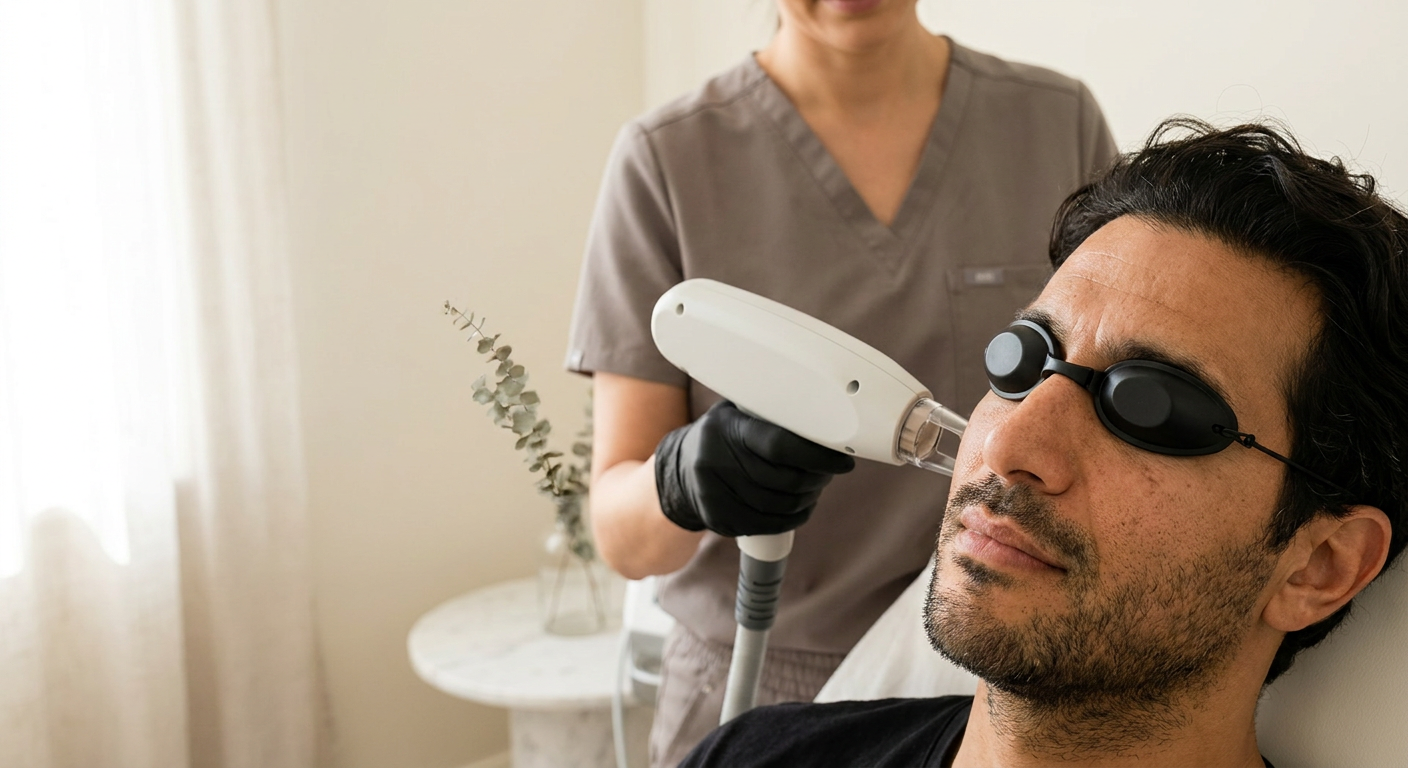
Table of Contents
- What is Laser Skin Treatment?
- Ablative vs Non-Ablative Laser: Which is Right for You?
- How to Prepare for Laser Skin Treatment
- Laser Skin Resurfacing Recovery Time: What to Expect
- Conditions Treated with Laser Skin Treatment
- Why Choose Our Pontyclun and Talbot Green Clinic
- Conclusion
Last Updated: July 8, 2026
Laser Skin Treatment: A Complete Guide to Results
Laser skin treatment represents one of the most effective approaches to addressing fine lines, wrinkles, acne scarring, and sun damage without invasive surgery. At Vale Laser Aesthetics, we've spent years perfecting laser skin treatment protocols for patients across Pontyclun and Talbot Green, helping hundreds achieve visibly smoother, more radiant skin. This comprehensive guide explores everything you need to know about laser skin treatment, from understanding different laser types to preparing for your procedure and managing recovery.
Whether you're considering your first laser skin treatment or exploring options after previous attempts elsewhere, the information below will help you make an informed decision about which approach suits your skin type, concerns, and lifestyle.
What is Laser Skin Treatment?
Laser skin treatment uses concentrated beams of light energy to resurface the skin, stimulate collagen production, and address a range of aesthetic concerns. The laser works by creating controlled micro-injuries to the epidermis and dermis, triggering the body's natural healing response and encouraging new, healthier skin cells to surface.
The technology behind laser skin treatment has evolved significantly over recent decades. Modern systems deliver energy with precision, allowing practitioners to target specific skin concerns whilst minimising damage to surrounding tissue. According to American Academy of Dermatology research on laser resurfacing, laser skin treatment produces measurable improvements in skin texture, tone, and appearance within weeks of treatment.
There are two primary categories of laser skin treatment: ablative and non-ablative systems. Ablative lasers remove the outer layer of skin entirely, producing dramatic results but requiring longer recovery periods. Non-ablative lasers work beneath the skin's surface without removing tissue, offering gentler treatment with minimal downtime. Both approaches stimulate collagen remodeling, a process where the skin rebuilds its structural foundation, resulting in tighter, more youthful-looking skin over time.
Our Pontyclun clinic utilises state-of-the-art, FDA-approved laser technology to deliver laser skin treatment tailored to your specific needs. During your free consultation at our Talbot Road, Talbot Green clinic, our HIW-approved practitioners will assess your skin, discuss your goals, and recommend the most suitable laser skin treatment approach for your situation.
Ablative vs Non-Ablative Laser: Which is Right for You?
Choosing between ablative and non-ablative laser skin treatment depends on your skin concerns, downtime tolerance, and desired results intensity. Understanding the differences helps you select the approach that aligns with your expectations and lifestyle.
Ablative Lasers: Maximum Results, Longer Recovery
Ablative laser skin treatment delivers the most dramatic transformations because it removes the epidermis and portions of the dermis. CO2 and erbium:YAG lasers are the primary ablative systems used for laser skin treatment. These fractional laser technologies create thousands of microscopic treatment zones, allowing untreated skin between treated areas to accelerate healing.
The results from ablative laser skin treatment are substantial. Patients typically see significant improvement in deep wrinkles, severe acne scarring, and pronounced sun damage. Collagen production increases substantially, and skin tightening becomes apparent as new tissue forms beneath the surface. However, this intensity comes with trade-offs.
Recovery from ablative laser skin treatment is the most demanding of all laser approaches. Expect pronounced erythema (redness) and swelling for 7-14 days. Your skin will feel raw and require meticulous care. Most patients need 1-2 weeks away from work or public-facing activities. Sun protection becomes non-negotiable, SPF 50+ daily for at least 3 months post-treatment. The investment in recovery time is substantial, but results justify the commitment for many patients seeking maximum skin transformation.
Non-Ablative Lasers: Gentler Option with Minimal Downtime
Non-ablative laser skin treatment preserves the skin's surface whilst delivering energy deep into the dermis. These systems stimulate collagen production and address vascular lesions, hyperpigmentation, and fine lines without removing skin tissue. Recovery is minimal, most patients return to normal activities immediately or within 24 hours.
Results from non-ablative laser skin treatment appear gradually over 4-6 weeks as collagen remodeling progresses. You won't see the dramatic immediate transformation of ablative treatment, but improvement is consistent and natural-looking. Multiple sessions (typically 4-6 treatments spaced 4-6 weeks apart) produce cumulative benefits, making this approach ideal for patients seeking gradual refinement.
The trade-off is that non-ablative laser skin treatment addresses milder to moderate concerns more effectively than severe damage. Fine lines improve noticeably. Skin texture becomes smoother. Tone evens out. But deep wrinkles or extensive scarring may require ablative treatment for optimal results.
| Laser Type | Downtime | Results Timeline | Best For | Recovery Intensity |
|---|---|---|---|---|
| Ablative (CO2/Erbium) | 7-14 days | Immediate, dramatic | Deep wrinkles, severe scars | High |
| Non-Ablative (Nd:YAG, Diode) | 0-24 hours | Gradual over 4-6 weeks | Fine lines, mild damage | Minimal |
How to Prepare for Laser Skin Treatment
Proper preparation dramatically improves laser skin treatment outcomes and reduces complications. Begin your pre-treatment skincare regimen 2-4 weeks before your appointment.
Start by using a gentle, fragrance-free cleanser twice daily. Introduce a retinoid product (retinol or prescription tretinoin) if your skin tolerates it, retinoids accelerate cell turnover and prime skin for treatment. Use broad-spectrum SPF 30+ daily, even on cloudy days, as sun exposure increases risk of post-inflammatory hyperpigmentation after laser skin treatment.
Avoid sun exposure as much as possible in the 2 weeks before treatment. If you've had recent sun exposure or a tan, postpone your appointment, tanned skin is at higher risk for complications during laser skin treatment. Similarly, avoid waxing, chemical peels, or microdermabrasion for at least one week before your laser skin treatment, as these can compromise the skin barrier.
On the day of your appointment, arrive with clean, makeup-free skin. Avoid caffeine, alcohol, and strenuous exercise for 24 hours beforehand, as these can increase inflammation and bleeding during treatment. Wear comfortable, loose clothing that won't irritate treated areas.
During your consultation at our Talbot Green clinic, discuss any medications you're taking. Certain medications increase photosensitivity or bleeding risk during laser skin treatment. Our HIW-approved practitioners will advise whether adjustments are necessary. We also recommend arranging someone to drive you home if you're receiving ablative laser skin treatment, as numbing agents and the intensity of treatment can leave you feeling fatigued.
Laser Skin Resurfacing Recovery Time: What to Expect
Recovery timelines differ dramatically between ablative and non-ablative laser skin treatment, and understanding what to expect helps you plan accordingly and manage expectations realistically.
Non-ablative laser skin treatment recovery is remarkably straightforward. Most patients experience mild erythema and occasional swelling that resolves within 24 hours. You can apply makeup and return to work immediately. Some patients report slight warmth or mild tenderness, similar to a sunburn, but discomfort is minimal. Continue your regular skincare routine, though skip active ingredients like retinoids or vitamin C for 48 hours post-treatment. SPF 30+ becomes essential, apply it every 2 hours if you're outdoors.
Ablative laser skin treatment recovery requires considerably more patience and care. Days 1-3 involve pronounced erythema, swelling, and oozing. Your skin will feel tight and tender. Pain management with prescribed or over-the-counter analgesics helps. Sleep with your head elevated to minimise swelling. Apply prescribed healing ointments or petroleum jelly frequently, keeping treated skin moist accelerates healing and reduces scarring risk.

By days 4-7, visible crusting or peeling begins. Resist the urge to pick or scratch, let skin shed naturally. Gentle cleansing with lukewarm water and prescribed cleansers is acceptable. Avoid hot water, steam, saunas, and swimming. By day 10-14, most crusting has resolved, though erythema persists. You can begin light makeup application if necessary, though many patients prefer to wait until skin looks more normal.
Full recovery from ablative laser skin treatment takes 3-6 months. Erythema gradually fades, though some patients experience prolonged redness. Sun protection remains critical throughout this period, SPF 50+ daily, reapplied frequently. Avoid strenuous exercise, excessive heat, and harsh skincare products for at least 2 weeks. Most patients can return to work after 10-14 days, though appearance will be noticeably different from their baseline.
Post-inflammatory hyperpigmentation can occur after laser skin treatment, particularly in patients with darker skin tones (Fitzpatrick types IV-VI). This typically appears 2-4 weeks post-treatment and resolves over weeks to months with diligent sun protection. Discuss risk factors and prevention strategies during your consultation at our Pontyclun clinic.
Conditions Treated with Laser Skin Treatment
Laser skin treatment addresses a remarkably broad range of aesthetic and medical skin concerns, making it one of the most versatile energy-based devices in modern dermatology.
Fine lines and wrinkles respond excellently to laser skin treatment. The collagen production stimulated by treatment tightens skin and smooths surface irregularities. Results improve over 3-6 months as collagen remodelling continues. Non-ablative systems work well for fine lines; ablative treatment produces more dramatic wrinkle reduction for deeper lines.
Acne scarring improves significantly with fractional ablative laser skin treatment. The controlled removal of damaged skin and stimulation of new collagen filling creates smoother skin texture. Atrophic scars (depressed scars) respond better than hypertrophic scars (raised scars). Multiple treatments often produce optimal results.
Sun damage and age spots fade with laser skin treatment. Both ablative and non-ablative systems address hyperpigmentation by disrupting melanin deposits and stimulating new, evenly-pigmented skin growth. Results appear gradually over weeks.
Skin texture and roughness improve as laser skin treatment removes damaged outer layers and stimulates collagen production. The skin becomes smoother, softer, and more refined. Results compound with multiple sessions.
Vascular lesions, including thread veins and rosacea, respond to certain non-ablative laser systems that target blood vessels specifically. These lasers cause selective photothermolysis, the targeted destruction of vascular structures whilst preserving surrounding tissue.
Melasma and post-inflammatory hyperpigmentation can be addressed with carefully selected laser skin treatment protocols, though darker skin tones require specialised approaches and experienced practitioners to avoid paradoxical worsening. Our HIW-approved team at our Talbot Green clinic discusses individual risk profiles during consultation.
Why Choose Our Pontyclun and Talbot Green Clinic
Vale Laser Aesthetics brings professional expertise, state-of-the-art technology, and genuine care to every laser skin treatment we perform. Our clinic on Talbot Road, Talbot Green serves patients throughout Pontyclun and the surrounding area with a commitment to safety, results, and your individual confidence.
Our fully qualified, HIW-approved practitioners have delivered over 5,000 successful treatments using FDA-approved medical-grade technology. We invest in ongoing training to stay current with the latest laser skin treatment techniques and safety protocols. During your free consultation, we assess your skin type, discuss your specific concerns, and recommend the laser skin treatment approach most likely to deliver your desired results.
We understand that laser skin treatment represents both a financial and time investment. That's why we're transparent about what's realistic for your situation. If your concerns would respond better to a different treatment, such as chemical peels or microneedling, we'll tell you. Our goal is your satisfaction, not simply booking every possible treatment.
Our clinic environment is welcoming and professional. We've designed our space to help you feel comfortable discussing aesthetic concerns without judgment. Many of our patients have travelled from across Pontyclun and Talbot Green specifically because they value our practitioner expertise and genuine care.
Laser skin treatment delivers measurable, lasting improvements in skin quality, texture, and appearance, but only when matched to your individual skin type, concerns, and lifestyle. The difference between results that exceed expectations and disappointment often comes down to practitioner expertise and realistic goal-setting.
At Vale Laser Aesthetics, we're committed to helping you achieve your best skin through laser skin treatment tailored specifically to you. Our HIW-approved team at our clinic on Talbot Road, Talbot Green (67 Talbot Road, Talbot Green, RCT CF72 8AE) combines professional expertise with state-of-the-art, FDA-approved technology. Book your free consultation today and discover how laser skin treatment can transform your skin and restore your confidence.
Frequently Asked Questions
What are the different types of laser skin treatment available?
Laser skin treatment options include ablative lasers such as CO2 and erbium:YAG, which remove the outer skin layers for dramatic results, and non-ablative fractional lasers, which stimulate collagen production without removing skin. Each type addresses different concerns, ablative lasers work best for deep wrinkles and acne scarring, whilst non-ablative options suit those seeking gentler photorejuvenation with minimal downtime.
How long does laser skin resurfacing recovery time typically take?
Recovery varies by laser type. Ablative lasers require 7-14 days for initial healing, with erythema and swelling subsiding over weeks. Non-ablative treatments have minimal downtime, often just a few hours of mild redness. Full collagen remodeling can take 3-6 months for optimal results. Your practitioner at our Talbot Green clinic will provide personalised recovery expectations during your free consultation.
Is laser skin treatment suitable for all skin tones?
Laser skin treatment can be adapted for various Fitzpatrick skin types, but certain lasers work better on specific skin tones. Darker skin requires careful laser selection to avoid post-inflammatory hyperpigmentation. Our HIW-approved practitioners at our Pontyclun clinic assess your individual skin tone and history during consultation to recommend the safest, most effective laser for your needs.
What should I do to prepare for laser skin treatment?
Before your appointment, avoid sun exposure and use SPF 30+ daily for at least two weeks. Stop using retinoids, vitamin C, and other active ingredients 5-7 days beforehand. Avoid waxing, plucking, or other hair removal methods. Arrive with clean skin, free of makeup and products. Our team at 67 Talbot Road, Talbot Green, will provide detailed pre-treatment skincare guidance during your free consultation to ensure optimal results.