comparison
Laser Hair Removal vs Waxing: Which Is Right for You?
Mandy Davis · 12 June 2026 · 15 min read
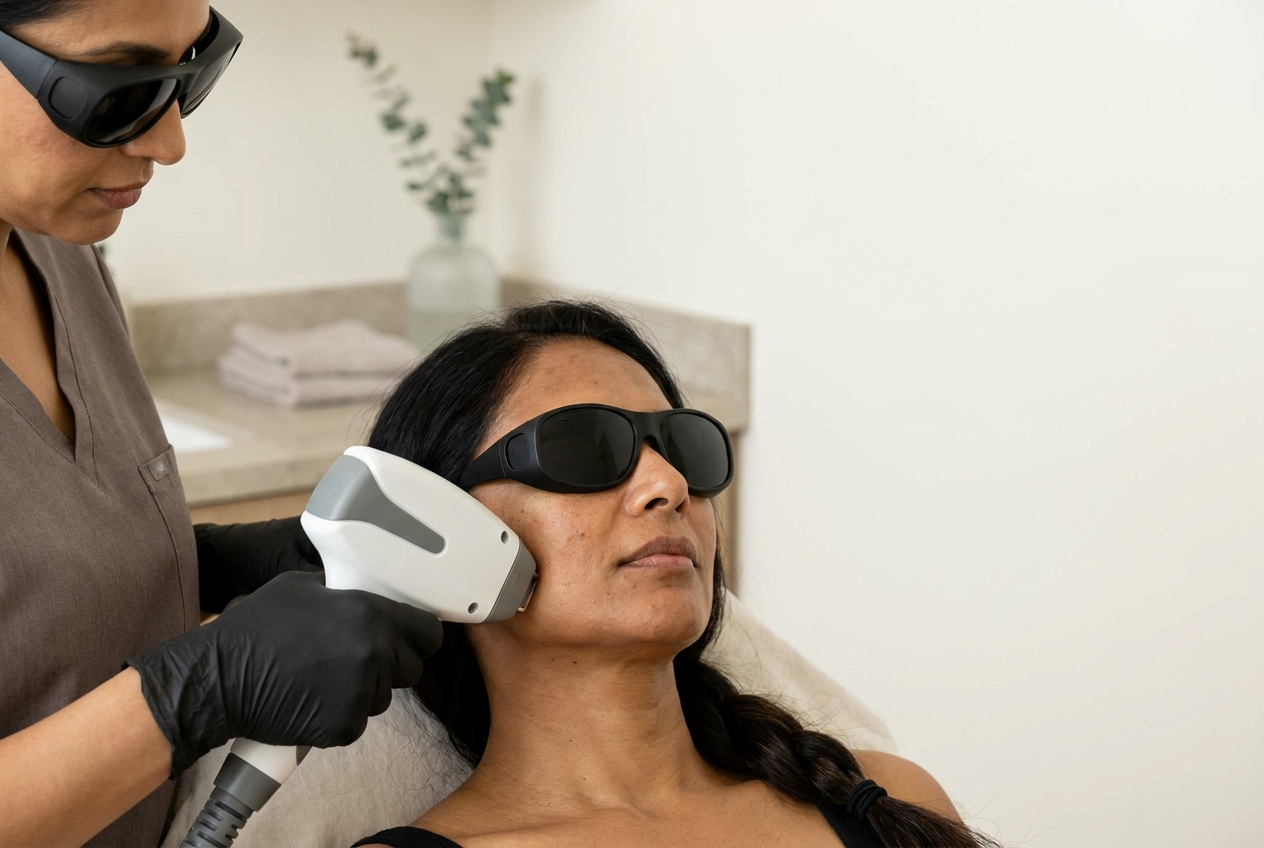
Table of Contents
- Laser Hair Removal vs Waxing: How Each Method Actually Works
- Key Differences: Laser Hair Removal vs Waxing at a Glance
- Waxing vs Laser Hair Removal Pain Level: What to Expect
- Laser Hair Removal Cost vs the Long-Term Cost of Waxing
- How Many Laser Hair Removal Sessions Are Needed for Best Results
- Laser Hair Removal Aftercare vs Waxing Aftercare
- Hormonal Factors, Skin Tone, and Hair Type: What Competitors Don't Tell You
- Pros and Cons of Laser Hair Removal and Waxing Side by Side
Last Updated: June 12, 2026
The laser hair removal vs waxing comparison is one of the most searched questions in aesthetic treatments, and for good reason: the two methods look similar on the surface but deliver completely different long-term outcomes. At Vale Laser Aesthetics, we've carried out over 20,000 treatments across our South Wales clinics, and the answer is rarely simple. Below, we break down how each method works, what it costs over time, how much it hurts, and which situations call for which approach, including angles most guides skip entirely.
Here's what most comparisons get wrong: they treat this as a cost question when it's actually a biology question. The right choice depends on your hair follicles, skin tone, hormonal profile, and pain threshold.
Laser Hair Removal vs Waxing: How Each Method Actually Works
Understanding the mechanism behind each treatment is the fastest way to predict your results.
How Laser Hair Removal Targets Hair Follicles
Laser hair removal uses concentrated light energy to destroy hair follicles at their root, preventing future regrowth. The laser targets melanin in the hair shaft, converting light into heat that disables the follicle. Because it only affects follicles in the active anagen phase, multiple sessions are required to catch all follicles at the right stage.
Three main laser types are used clinically: the diode laser (most versatile across skin tones), the alexandrite laser (fast and effective on lighter skin), and IPL (broad-spectrum light, technically not a true laser). Professional-grade diode lasers, such as those used at Vale Laser Aesthetics, are medical-grade devices, which matters significantly for both safety and efficacy.
How Waxing Removes Hair at the Root
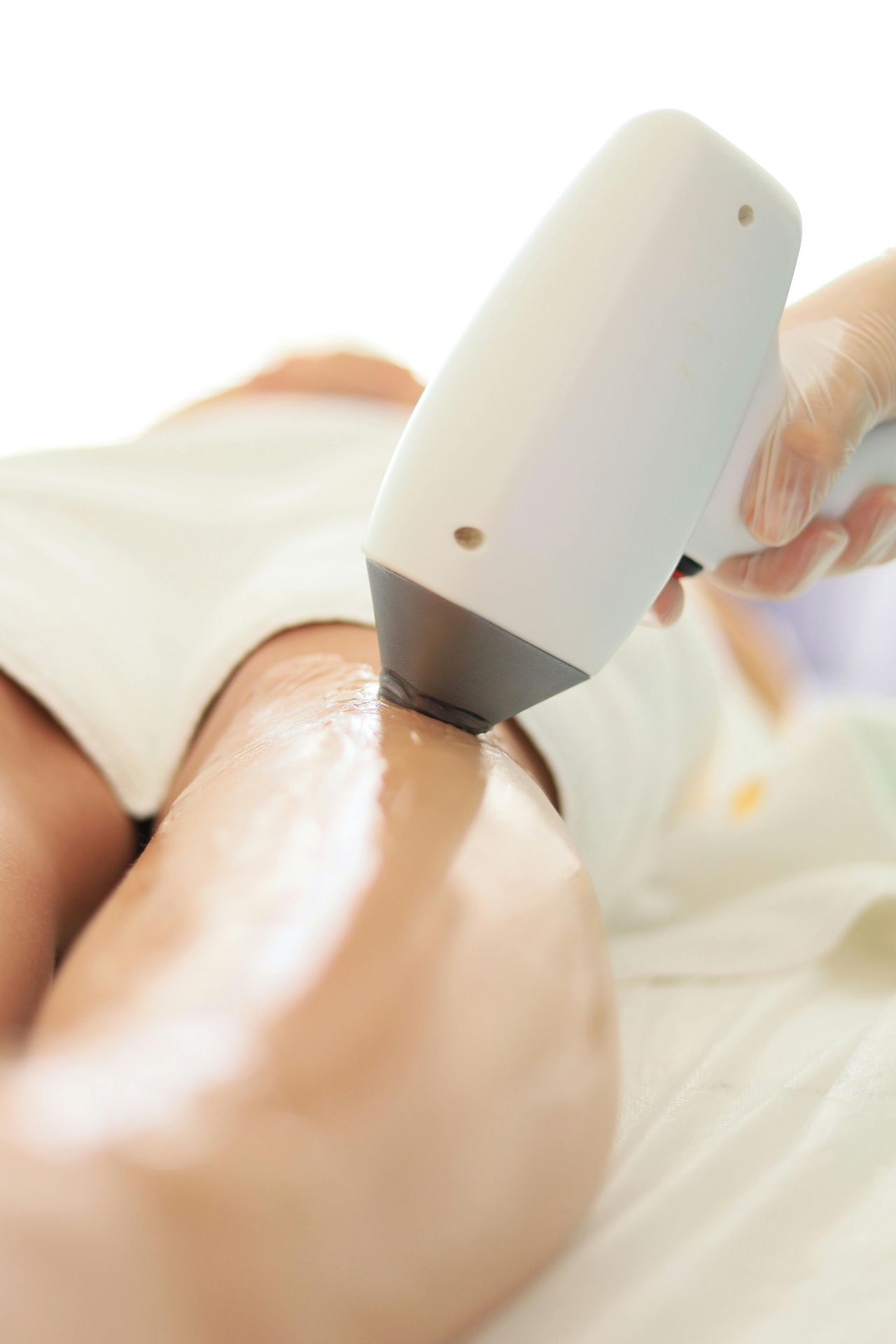
Waxing physically removes hair from the follicle by applying warm or cold wax and pulling it away. It removes the entire hair shaft from the root, which is why regrowth takes longer than shaving, but does not damage the follicle itself. Hair returns within three to six weeks. The process requires no patch testing for most skin types and delivers immediate results. The trade-off is that it is entirely temporary.
Key Differences: Laser Hair Removal vs Waxing at a Glance
The table below captures the core distinctions across the criteria that matter most.
| Factor | Laser Hair Removal | Waxing |
|---|---|---|
| Hair reduction type | Permanent reduction | Temporary removal |
| Treatment frequency | 6-8 sessions, then occasional maintenance | Every 3-6 weeks, indefinitely |
| Best hair type | Coarse, dark hair | Most hair types |
| Skin tone suitability | All tones (with correct laser) | All skin tones |
| Pain level | Mild to moderate | Moderate to high |
| Risk of ingrown hairs | Low | Moderate to high |
| Risk of folliculitis | Low | Moderate |
| Upfront cost | Higher | Lower |
| Long-term cost | Lower | Higher |
| At-home option | Yes (IPL devices) | Yes (DIY kits) |
The single clearest differentiator: laser hair removal is a long-term investment that reduces hair permanently, while waxing is a recurring maintenance commitment with no endpoint.
Waxing vs Laser Hair Removal Pain Level: What to Expect
Pain perception is more individual than most guides admit, and both methods carry real discomfort for different reasons.
Waxing pain is immediate and sharp, a fast, intense sting as the strip pulls hair from the follicle, fading within seconds. Repeated sessions may feel slightly less intense as hair becomes finer, but the baseline discomfort remains.
Laser hair removal is typically described as a rubber band flicking against the skin, sometimes with warmth. Intensity varies by area: the bikini line and underarms are more sensitive than legs or arms. Modern diode lasers include integrated cooling systems that significantly reduce discomfort compared to older technologies. For clients with a low pain threshold, professional laser treatment often rates lower than waxing on larger areas.
Pain Management Techniques for Both Methods
For laser treatments, applying a topical numbing cream (such as EMLA) 45-60 minutes before the session reduces sensitivity noticeably. For waxing, exfoliate 24-48 hours before (never immediately before), take an over-the-counter pain reliever 30 minutes prior, and avoid waxing in the week before menstruation when skin sensitivity peaks. Post-wax, aloe vera gel reduces redness effectively.
Laser Hair Removal Cost vs the Long-Term Cost of Waxing
The upfront cost comparison always favours waxing. The lifetime cost comparison almost always favours laser.
Professional waxing typically runs £20-£60 per session. Treating legs, underarms, and a bikini line every four weeks adds up to a significant annual spend, indefinitely. Professional laser hair removal requires a higher initial outlay across six to eight sessions, but once complete, most clients need only one to two maintenance sessions annually. The cost-effectiveness of laser becomes clear within two to three years for most body areas. According to the British Association of Aesthetic Plastic Surgeons guidance on non-surgical treatments, demand for laser hair reduction has grown consistently as clients recognise the long-term value.
At-Home Devices vs Professional Clinic Treatments
At-home IPL and laser devices represent a middle-ground option worth addressing honestly. The Braun Silk-expert Pro 5 (£300-£400) uses a SkinPro sensor that adjusts intensity for different skin tones and treats both legs in under five minutes. The Philips Lumea IPL 9000 Series (£450-£550) offers SenseIQ technology with specialised attachments and app-based tracking. The Tria Hair Removal Laser 4X (£499) is the only FDA-cleared at-home diode laser, though its small treatment window makes it slow for large areas.
The honest caveat: at-home devices deliver meaningful reduction for many users but operate at lower energy levels than clinic equipment and lack the trained assessment that ensures correct settings for your skin and hair type. For coarse hair or faster results, professional treatment remains the more effective route.
How Many Laser Hair Removal Sessions Are Needed for Best Results
Most clients need six to eight sessions spaced four to eight weeks apart, depending on the body area. The spacing is dictated by the hair regrowth cycle, laser energy only destroys follicles in the anagen phase, and only a portion are in this phase at any time. Successive sessions catch follicles progressively, reducing hair density across the treatment area.
Face and neck areas cycle faster and require sessions four to six weeks apart; legs and back can be spaced six to eight weeks apart. After completing a course, most clients need one to two maintenance sessions per year, with any regrowth typically finer and lighter than the original hair.
According to NHS guidance on laser hair removal, results vary depending on hair colour, skin tone, and laser type, and clients should have realistic expectations about the number of sessions required.
Laser Hair Removal Aftercare vs Waxing Aftercare
Post-treatment care directly affects results and recovery, and the two methods require different approaches.
After laser hair removal, protect treated skin from sun exposure for a minimum of four weeks using SPF 30 or higher. Avoid heat sources (saunas, hot baths, steam rooms) for 48 hours and skip exfoliation or active ingredients like retinol or AHAs for at least a week. Some shedding of treated hairs in the two weeks following treatment is normal, not regrowth. Gentle cleansing and a fragrance-free moisturiser are all most clients need.
After waxing, open follicles are temporarily vulnerable to bacteria, increasing the risk of folliculitis. Wear loose clothing immediately after, avoid the gym for 24 hours, and skip perfumed products on the treated area. Gentle exfoliation two to three days later helps prevent ingrown hairs, which are more common with waxing than laser. Recovery time also differs: laser may cause mild redness for a few hours, while waxing can leave skin sensitive for up to 24 hours.
Hormonal Factors, Skin Tone, and Hair Type: What Competitors Don't Tell You
Most comparison guides stop at cost and pain. This section determines whether a treatment will actually work for you.

The Fitzpatrick Scale and Laser Hair Removal Efficacy
The Fitzpatrick scale classifies skin tones from Type I (very fair) to Type VI (very dark) and directly determines which laser technology is appropriate. Earlier lasers were most effective on fair skin with dark hair; darker skin tones carried real risks of hyperpigmentation or burns.
Modern diode lasers operating at 810nm-1064nm penetrate deeper and are absorbed more selectively by the follicle rather than surrounding epidermis, making them far safer and more effective for Fitzpatrick Types IV through VI. Skin tone is no longer a barrier to effective laser treatment, provided the clinic uses the correct technology and a qualified practitioner assesses your skin beforehand.
Fine, light, or grey hair remains a genuine limitation. Laser targets melanin, so low-pigment hair cannot absorb sufficient energy to destroy the follicle. For these hair types, waxing remains the more reliable option.
Hormonal Conditions and Their Impact on Hair Regrowth
Hormonal conditions such as polycystic ovary syndrome (PCOS), thyroid disorders, and medications including corticosteroids can stimulate new follicle activity even after successful laser treatment. This doesn't make laser ineffective, but it means maintenance sessions will be needed more frequently and hair reduction, rather than complete removal, is a more realistic goal.
According to PCOS UK guidance on managing symptoms, excess androgen levels associated with PCOS often drive increased facial and body hair that can partially return after laser courses. Clients with active hormonal conditions should discuss this during consultation so expectations and session frequency are set appropriately. Waxing is not affected by hormonal factors in the same way, but clients with PCOS often find it frustrating long-term due to rapid, coarse regrowth. Laser combined with appropriate medical management of the underlying condition tends to produce the best outcomes.
Pros and Cons of Laser Hair Removal and Waxing Side by Side
The real-world picture of both methods, without the marketing gloss.
Laser Hair Removal
Pros:
- Permanent hair reduction after a full course of sessions
- Significantly reduces ingrown hairs and folliculitis compared to waxing
- Cost-effective over a two to three year horizon
- Treats large areas efficiently in a single session
- Modern technology suitable for most skin tones with the correct laser type
- Finer, lighter regrowth if any occurs after treatment
Cons:
- Higher upfront cost for a full treatment course
- Requires multiple sessions spaced weeks apart before results are visible
- Ineffective on very fine, grey, or blonde hair with low melanin
- Sun exposure restrictions require planning around outdoor activities
- Results can be partially reversed by hormonal changes without maintenance
Waxing
Pros:
- Immediate results with no preparation or patch testing required for most clients
- Lower per-session cost with no commitment to a course
- Effective on all hair types including fine and light hair
- No restrictions on sun exposure after healing
- Widely available including at-home options
Cons:
- Entirely temporary: regrowth returns within three to six weeks
- Higher lifetime cost than laser for most body areas
- Increased risk of ingrown hairs and folliculitis
- Requires hair to be a minimum length before each session
- Can cause skin irritation and redness for up to 24 hours
- Repeated waxing can cause skin sensitivity over time
The most honest summary: waxing suits clients who want flexibility, low commitment, and immediate results. Laser suits clients who want a long-term solution and want to reduce ongoing maintenance. For clients in Pontyclun and across South Wales, the consultation process is where this decision gets made properly, not in a general guide.
Choosing between laser hair removal and waxing is straightforward once you understand your hair type, skin tone, and long-term goals, but getting that assessment right requires a qualified practitioner. Vale Laser Aesthetics offers free, no-obligation consultations across three South Wales clinics, with HIW-approved practitioners using medical-grade technology to assess your individual profile and recommend the most effective treatment plan. With over 20,000 treatments carried out and 230+ five-star reviews, the team brings the clinical expertise to make this decision simple. Book your consultation at Vale Laser Aesthetics and get a clear, personalised answer on the best path to permanent hair reduction.
Frequently Asked Questions
Is laser hair removal better than waxing in the long run?
For most people seeking permanent hair reduction, laser hair removal offers greater long-term value than waxing. While waxing requires repeat appointments every four to six weeks indefinitely, laser targets hair follicles during the anagen phase to progressively reduce regrowth. After a full course of treatment sessions, many clients experience significantly reduced hair density or near-permanent results, making it a stronger long-term investment despite the higher upfront laser hair removal cost.
Does laser hair removal hurt more than waxing?
In a laser hair removal vs waxing comparison of pain levels, most people describe waxing as a sharper, more immediate sting, while laser feels like a brief snap or warmth against the skin. Pain threshold varies by individual and treatment area. Modern diode laser and alexandrite laser systems used by qualified practitioners include cooling mechanisms that significantly reduce discomfort. Topical numbing creams are also a common pain management technique available before laser sessions to improve comfort.
How much does laser hair removal cost compared to waxing?
Laser hair removal has a higher upfront cost, typically charged per session or as a course package, but waxing accumulates significant expense over time due to ongoing appointments. When you calculate waxing costs over several years, laser hair removal often proves more cost-effective. At-home IPL devices like the Braun Silk-expert Pro 5 or Philips Lumea 9000 Series offer a middle-ground option, with one-time purchase prices ranging from roughly £300 to £450, though professional clinic results are generally more reliable.
How long does laser hair removal last compared to waxing?
Waxing results are temporary, with hair regrowth typically returning within two to six weeks depending on your regrowth cycle. Laser hair removal, by contrast, is classified as semi-permanent to permanent hair reduction. After a recommended course of six to eight treatment sessions, most clients see an 80-90% reduction in hair density. Occasional maintenance sessions may be needed, particularly if hormonal factors influence hair growth, but regrowth is far slower and finer than with waxing.
Can I switch from waxing to laser hair removal?
Yes, and many people do. However, you must stop waxing at least four to six weeks before starting laser hair removal. Waxing removes the hair from the follicle, and laser energy needs the hair shaft present in the follicle to work effectively. Shaving is the recommended hair removal method between laser sessions. A free consultation with a qualified dermatologist or laser practitioner can confirm the right timing and assess your skin tone and hair type before you begin.
What are the main side effects of laser hair removal vs waxing?
Waxing commonly causes skin irritation, redness, ingrown hairs, and occasionally folliculitis, especially on sensitive areas. Laser hair removal can cause temporary redness and mild swelling post-treatment, but serious side effects are rare when performed by HIW-approved practitioners using medical-grade technology. Proper laser hair removal aftercare, such as avoiding sun exposure and using soothing products, minimises recovery time. Both methods carry a low risk of adverse effects when carried out correctly and with appropriate post-treatment care.