listicle
Best Non-Surgical Skin Tightening Treatments: 2026 Guide
Mandy Davis · 7 July 2026 · 11 min read
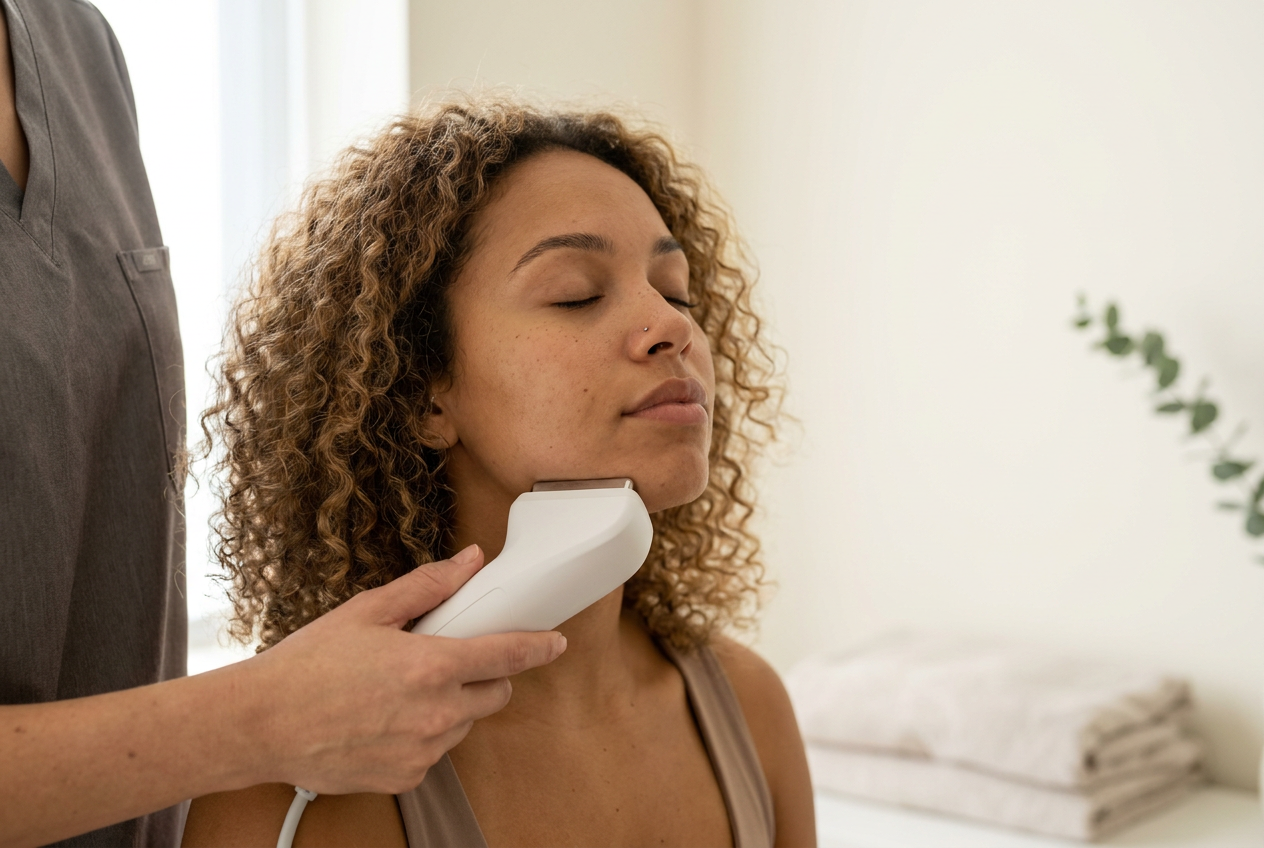
Table of Contents
- What Is Non-Surgical Skin Tightening?
- How Non-Surgical Skin Tightening Treatments Work
- Top Non-Surgical Skin Tightening Options Compared
- Benefits of Radiofrequency Skin Tightening
- How Long Does Non-Surgical Skin Tightening Last?
- Non-Surgical Skin Tightening Side Effects and Safety
- Understanding Non-Surgical Skin Tightening Cost and Investment
- Maintenance and Long-Term Skincare Routine
Best Non-Surgical Skin Tightening Treatments: 2026 Guide
Last Updated: June 26, 2026
What Is Non-Surgical Skin Tightening?
Non-surgical skin tightening uses minimally invasive procedures to lift and firm sagging skin without surgery. These treatments employ energy-based technologies, radiofrequency, ultrasound, or laser energy, to stimulate collagen production and elastin regeneration deep within the dermis, creating visible lifting effects without incisions, general anaesthesia, or extended downtime.
Unlike surgical facelifts, which require weeks of recovery and carry surgical risks, non-surgical options deliver gradual, natural-looking results that improve over weeks and months.
How Non-Surgical Skin Tightening Treatments Work
Collagen Production and Elastin Regeneration
Controlled thermal energy penetrates the dermis and triggers the body's natural healing response. When skin cells sense heat stress at the right depth and intensity, fibroblasts activate and synthesise new collagen and elastin. Collagen provides structural framework; elastin gives skin bounce and resilience. As we age, both decline. Radiofrequency and ultrasound therapies essentially stimulate the skin into rebuilding these proteins by delivering precisely calibrated heat to the mid-to-deep dermal layers without damaging the epidermis.
New collagen doesn't appear overnight. Most clients see initial tightening within 2-3 weeks, with progressive improvement continuing for 3-6 months as collagen remodelling accelerates.
Thermal Energy and Dermal Layer Penetration
Different technologies penetrate to different depths. Radiofrequency energy heats tissue uniformly across broader areas, making it effective for the face, neck, and décolletage. Ultrasound therapy (including HIFU) focuses energy more precisely, allowing practitioners to target specific structural layers, particularly useful for brow lifts, chin definition, and neck tightening.
The key is reaching the subcutaneous layer where collagen density is highest, without overheating the surface. Built-in cooling mechanisms protect the epidermis whilst deeper structures receive therapeutic heat. This balance is what separates effective treatments from ineffective ones.
Top Non-Surgical Skin Tightening Options Compared
| Treatment | Technology | Best For | Typical Sessions | Downtime |
|---|---|---|---|---|
| Thermage FLX | Radiofrequency | Fine lines, skin texture, face & body | 1 session | None |
| Ultherapy | Ultrasound (HIFU) | Brow lift, neck tightening, mild jowls | 1-2 sessions | Minimal |
| Sofwave | Ultrasound (SUPERB) | Fine lines, brow, neck, all skin tones | 1-2 sessions | Minimal |
| BTL Exilis Ultra 360 | RF + Ultrasound | Flexible face/body, combination therapy | 4-6 sessions | None |
| NuFACE Trinity+ | Microcurrent | At-home maintenance, jawline definition | Daily use | None |
| FOREO BEAR 2 | Microcurrent + T-Sonic | At-home firming, portable option | Daily use | None |
Radiofrequency (RF) Therapy: Thermage FLX and BTL Exilis Ultra 360
Thermage FLX delivers monopolar RF energy that heats tissue uniformly, stimulating collagen contraction and new collagen synthesis. The single-session approach appeals to busy professionals. BTL Exilis Ultra 360 combines radiofrequency with ultrasound energy, offering dual-mechanism tightening and flexibility across small and large treatment areas. Clients often describe the sensation as a warm stone massage.

Radiofrequency results are measurable, cumulative, and long-lasting. The drawback is cost and the need for multiple sessions with some devices to see optimal results.
Ultrasound Therapy: Ultherapy and Sofwave
Ultherapy uses micro-focused ultrasound energy to lift and tighten skin by stimulating collagen deep in the subcutaneous layer. Real-time ultrasound visualisation allows practitioners to see exactly where energy is being delivered. Clinical data shows results lasting up to two years.
Sofwave uses Synchronous Ultrasound Parallel Beam (SUPERB) technology to target the mid-dermal layer. Treatment times are faster (30-45 minutes versus 60-90 for Ultherapy), and it's notably safe across all skin types and tones. Both ultrasound options excel at brow lifts and neck tightening, though treatments can be uncomfortable during the procedure.
HIFU (High-Intensity Focused Ultrasound)
HIFU uses focused ultrasound energy to heat deep tissue layers, triggering collagen remodelling and immediate tissue contraction. These devices are particularly effective for structural lifting, brow elevation, chin definition, and jawline sharpening. Results appear gradually, with peak improvement at 2-3 months. Longevity is excellent, with results lasting 18-24 months.
At-Home Microcurrent Devices: NuFACE Trinity+ and FOREO BEAR 2
At-home microcurrent devices use low-level electrical currents to stimulate facial muscles, creating temporary lifting effects and modest permanent improvements in muscle tone. NuFACE Trinity+ includes interchangeable attachments for targeted areas plus LED light therapy. FOREO BEAR 2 combines microcurrent with T-Sonic pulsations for muscle stimulation and lymphatic drainage.
These devices work best as maintenance tools, not substitutes for professional treatments. Daily use can improve jawline definition and reduce fine lines, but expecting dramatic tightening from at-home devices alone is unrealistic.
Benefits of Radiofrequency Skin Tightening
Radiofrequency skin tightening offers several distinct advantages. Results are visible and measurable within weeks, with continued improvement over months. The collagen-stimulating effect addresses sagging, texture, fine lines, and overall skin radiance.
Radiofrequency is versatile, a single device can treat the face, neck, décolletage, arms, abdomen, and thighs. Downtime is minimal to non-existent, making RF ideal for professionals who cannot afford extended recovery. Results are durable, lasting 18-24 months before considering a maintenance session. The safety profile is excellent when performed by qualified practitioners using FDA-cleared devices.
How Long Does Non-Surgical Skin Tightening Last?
Radiofrequency treatments typically produce results lasting 18-24 months. Ultrasound (Ultherapy, Sofwave, HIFU) tends to last slightly longer, 24 months or more, because it stimulates collagen at deeper structural levels.
Initial tightening appears within 2-3 weeks as collagen contracts. Progressive improvement continues for 3-6 months as new collagen synthesis peaks. Maintenance extends longevity, clients who use high-quality skincare, maintain sun protection, and stay hydrated see results last longer. Some practitioners recommend maintenance sessions annually or every 18 months, though this is optional.
Non-Surgical Skin Tightening Side Effects and Safety
Non-surgical skin tightening is remarkably safe when performed by qualified practitioners using FDA-cleared devices. Common, temporary side effects include mild redness, slight swelling, and temporary skin sensitivity lasting hours to a few days.
Less common side effects include temporary numbness or tingling, which resolves within days. Blistering is rare but possible if settings are too aggressive. Hyperpigmentation or hypopigmentation can occur in darker skin tones if RF settings aren't properly calibrated.
Serious adverse events are uncommon but possible: burns, permanent scarring, or nerve damage. These occur almost exclusively when treatments are performed by undertrained staff using substandard equipment or when clients have undisclosed contraindications.
The safety profile improves dramatically when treatment is performed by fully qualified practitioners, FDA-cleared devices are used, proper pre-treatment consultation screens for contraindications, settings are customised to individual skin type, and post-treatment care instructions are followed.
Understanding Non-Surgical Skin Tightening Cost and Investment
Cost varies based on treatment type, treatment area size, practitioner expertise, and location. Radiofrequency treatments range from moderate to premium pricing. Ultrasound treatments (Ultherapy, Sofwave) tend toward the premium end due to longer treatment times and greater precision required. At-home devices represent the lowest investment but deliver the most modest results.
A single Ultherapy session might cost more upfront than six months of at-home device use, but results are dramatically superior and last 2+ years. Over five years, professional treatment often represents better value. Many clinics offer package pricing for multiple sessions, which reduces per-session cost.
Remember: the cheapest option is rarely the best. Undertrained practitioners using substandard equipment may offer lower prices, but they deliver suboptimal results and carry higher risk of adverse effects.
Maintenance and Long-Term Skincare Routine
Maximising and extending non-surgical skin tightening results requires a committed skincare routine.
Sun protection is non-negotiable. Daily broad-spectrum SPF 30+ is minimum; SPF 50+ is better. UV damage breaks down collagen and elastin, undoing treatment benefits.
Retinoids accelerate collagen production. Starting a retinol or prescription retinoid after your treatment window (typically 2-3 weeks post-treatment) amplifies results.
Hydration supports collagen function. Hyaluronic acid serums, ceramide moisturisers, and adequate water intake keep skin plump and support new collagen integrity.
Antioxidants protect new collagen. Vitamin C serums and niacinamide defend collagen from oxidative stress and free radical damage.
Avoid aggressive treatments in the post-treatment window. For 2-4 weeks after professional skin tightening, avoid other aggressive procedures. Your skin is actively remodelling; additional trauma can interfere with results.
Consider combination therapy. Microneedling (performed weeks after RF treatment) can enhance collagen remodelling. Discuss combination protocols with your practitioner.
Schedule maintenance strategically. If planning a major event, schedule treatment 3 months prior to allow full results to manifest. Annual or biennial sessions keep skin looking consistently refined.
Non-surgical skin tightening has transformed how people approach skin ageing. Rather than accepting sagging skin or committing to surgery, you now have effective, safe, accessible options that deliver measurable results without incisions or downtime. The best non surgical skin tightening treatments combine clinical-grade technology with qualified practitioner expertise and long-term skincare commitment.
At Vale Laser Aesthetics, our three South Wales clinics specialise in these treatments. Our fully qualified, HIW-approved practitioners use state-of-the-art, FDA-approved technology to deliver customised results. Whether you're interested in radiofrequency, ultrasound, or combination therapy protocols, we offer free, no-obligation consultations to discuss your skin concerns and treatment options. Book your consultation today and discover which approach is right for your skin.
Frequently Asked Questions
What is the most effective non-surgical skin tightening treatment?
The most effective option depends on your skin laxity level and goals. Ultrasound therapy (Ultherapy) and HIFU are highly effective for moderate sagging, stimulating significant collagen production and elastin regeneration. Radiofrequency treatments like Thermage FLX work well for fine lines and texture. Professional treatments generally deliver more dramatic results than at-home devices, though they require higher investment and may involve temporary discomfort.
How long do non-surgical skin tightening results last?
Results vary by treatment type. Ultrasound and radiofrequency therapies typically last 12-24 months, with some patients experiencing benefits for up to 2 years. Results depend on your skin's natural ageing process and maintenance. Maintenance sessions, usually scheduled annually or every 18 months, help sustain collagen production and elastin regeneration. At-home devices require consistent daily use to maintain temporary lifting effects.
Are non-surgical skin tightening treatments painful?
Most non-invasive treatments are well-tolerated. Radiofrequency therapy is often compared to a warm massage, whilst ultrasound treatments may cause mild discomfort during the procedure. HIFU can feel more intense for some patients. Professional clinics use cooling mechanisms and numbing strategies to minimise discomfort. At-home devices are generally painless. Downtime is minimal to none, allowing immediate return to daily activities for most treatments.
What are the common side effects of non-surgical skin tightening?
Most non-surgical skin tightening treatments have minimal side effects. Temporary redness, mild swelling, or slight tingling may occur immediately after treatment but typically resolves within hours to days. FDA-cleared devices have strong safety profiles across all skin types. Serious adverse effects are rare when administered by qualified practitioners. Always consult a dermatologist or plastic surgeon to assess candidacy and discuss potential risks based on your individual skin condition and medical history.