listicle
Best Laser Hair Removal for Sensitive Skin: 2026 Guide
Mandy Davis · 16 June 2026 · 16 min read
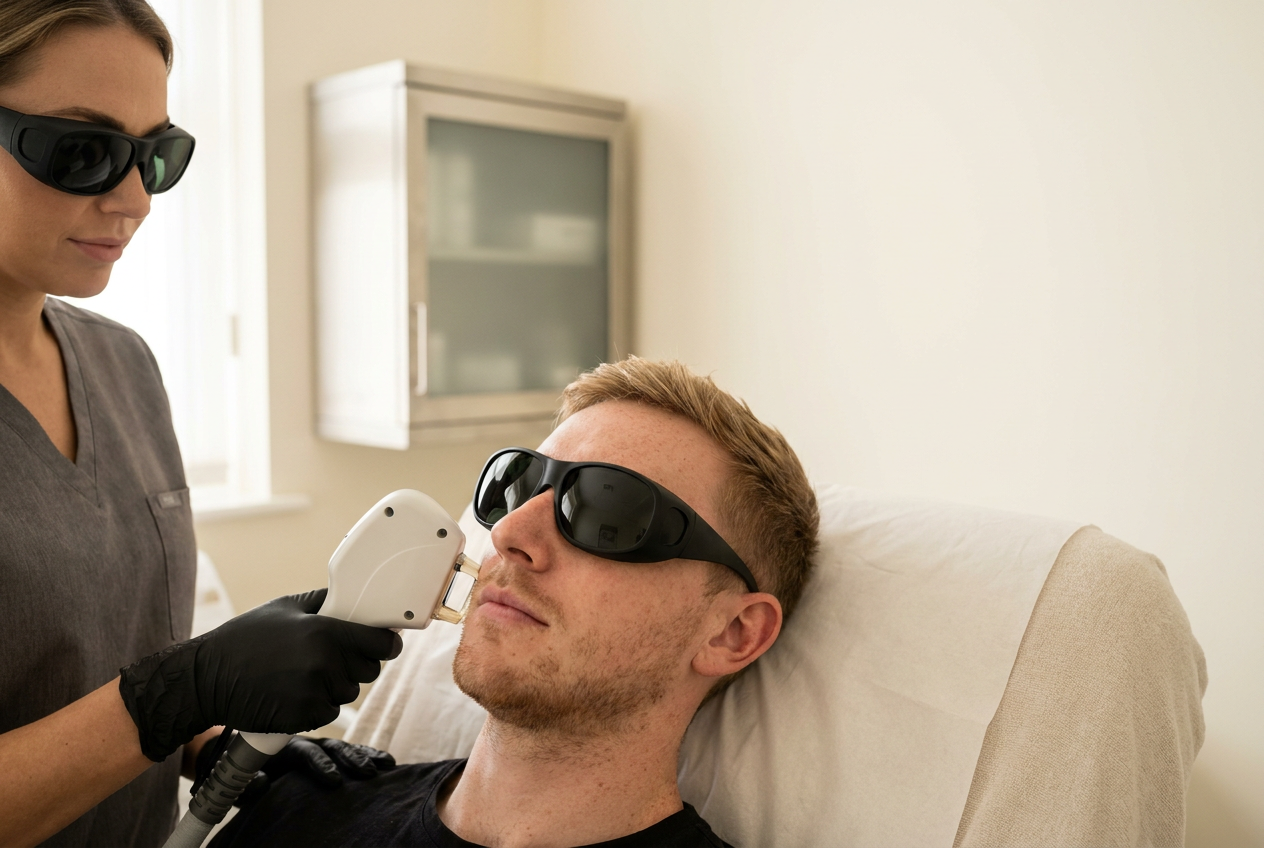
Table of Contents
- Why Sensitive Skin Needs a Different Approach to Laser Hair Removal
- Best Laser Hair Removal for Sensitive Skin: Devices and Clinic Options Compared
- Choosing the Right Laser Type: Diode, Nd:YAG, Alexandrite, and IPL Explained
- Is Laser Hair Removal Painful for Sensitive Skin?
- How to Prepare Sensitive Skin for Laser Hair Removal
- Laser Hair Removal Side Effects on Sensitive Skin and How to Manage Them
- Laser Hair Removal Aftercare for Sensitive Skin: Rebuilding the Skin Barrier
- How Many Sessions Will You Need and Which Areas Can Be Treated?
Last Updated: June 13, 2026
Sensitive skin and laser hair removal can feel like an uncomfortable combination, but finding the best laser hair removal for sensitive skin is entirely achievable with the right knowledge. At Vale Laser Aesthetics, we have helped over 5,000 clients across South Wales navigate this challenge, including many with rosacea, atopic dermatitis, and reactive skin types. The key insight most guides skip: the laser type matters far less than the practitioner's understanding of your skin barrier.
Why Sensitive Skin Needs a Different Approach to Laser Hair Removal
Sensitive skin involves compromised barrier function, heightened nerve response, and increased likelihood of post-inflammatory hyperpigmentation after any thermal insult. Standard laser protocols designed for resilient skin can trigger prolonged redness, flare-ups, or pigmentation changes when applied without modification to reactive skin.
Laser hair removal works via selective photothermolysis: laser energy targets melanin in the hair follicle, heats it to disrupt regrowth, and ideally leaves surrounding tissue unaffected. With sensitive skin, that "ideally" carries more weight. A slightly high fluence setting, inadequate cooling, or a skipped patch test can turn a routine session into a week of irritation.
How Laser and IPL Technology Targets Hair Follicles
Laser hair removal directs concentrated light energy into the skin, where melanin in the hair shaft absorbs it during the anagen (active growth) phase, damaging the follicle's ability to regenerate. IPL uses a broad-spectrum light source rather than a single wavelength, making it less precise but more accessible in at-home devices.
The critical variable for sensitive skin is pulse duration. Shorter pulses deliver energy faster and feel more aggressive on reactive skin; longer pulse durations spread the thermal load, reducing peak surface temperature spikes. This is why professional-grade diode lasers with adjustable pulse duration are generally preferred over consumer IPL for sensitive clients.
Conditions That Increase Skin Sensitivity: Rosacea, Atopic Dermatitis, and More
Rosacea involves chronic vascular reactivity and a damaged skin barrier, making the face particularly vulnerable to heat-induced flushing. Atopic dermatitis compromises the skin's protective function, meaning post-treatment transepidermal water loss is higher and recovery takes longer. Psoriasis, contact dermatitis, and hormonally driven sensitivity can all affect laser response.
None of these are absolute contraindications, but each requires a modified approach. A board-certified dermatologist or HIW-approved practitioner should assess active flare-ups before proceeding, as treating inflamed skin increases the risk of erythema and post-inflammatory hyperpigmentation.
Best Laser Hair Removal for Sensitive Skin: Devices and Clinic Options Compared
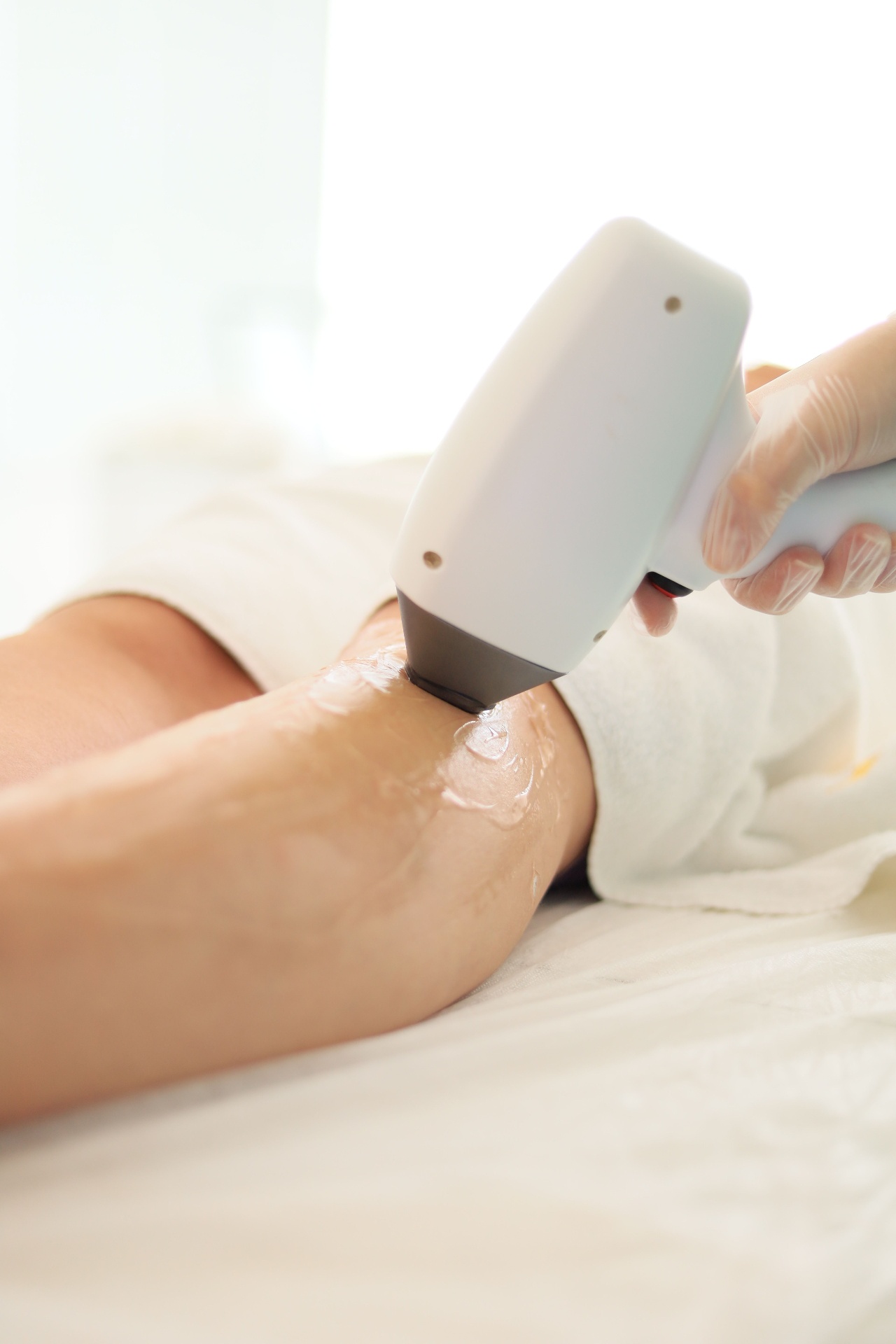
Professional clinic treatments using medical-grade diode or Nd:YAG lasers with integrated dynamic cooling consistently outperform at-home IPL for clients with genuine skin sensitivity. That said, several at-home IPL devices have made meaningful advances in cooling technology that make them viable for mild sensitivity.
Comparison Table: At-Home IPL Devices for Sensitive Skin
| Device | Price | Cooling Technology | Best For | Skin Tone Limit |
|---|---|---|---|---|
| Ulike Air 10 IPL | From $299 | Sapphire ice-cooling | Sensitive skin, comfort-first users | Fair to medium |
| Braun Silk-expert Pro 5 | From $350 | SensoAdapt auto-adjust | Safety-first, varying skin tones | Fair to medium-dark |
| Philips Lumea 9900 | From $450 | SmartSkin sensor | Tech-guided, personalised plans | Fair to medium |
| BoSidin D-1103 | From $250 | OPT pulse control | Salon-grade home use | Fair to medium |
| Iluminage Touch | From $300 | IPL + RF dual energy | Darker skin tones | Wider range |
| XSOUL D-1103 | From $100 | Basic intensity modes | Budget beginners | Fair to light-medium |
| Foreo Peach 2 | From $399 | Integrated cooling | Speed + comfort | Fair to medium |
| Silk'n Infinity | From $200 | eHPL technology | Travellers, portability | Most skin tones |
| INIA HAUTE Pro | From $220 | Active ice-cooling | Heat-sensitive users | Fair to medium |
Professional Clinic Treatments vs At-Home Devices: Which Is Safer?
Professional clinic treatments are safer for sensitive skin. Medical-grade systems deliver calibrated fluence levels, real-time skin temperature monitoring, and integrated dynamic cooling that at-home IPL cannot replicate.
At-home IPL has its place for maintenance or mild sensitivity on body areas like legs and underarms. For the bikini line, upper lip, or any area with a history of reactions, a professional assessment is the responsible starting point. Clinics operating under HIW approval, like Vale Laser Aesthetics in Pontyclun, follow clinical protocols that include patch testing, skin tone assessment, and post-treatment monitoring.
Choosing the Right Laser Type: Diode, Nd:YAG, Alexandrite, and IPL Explained
The diode laser (800-810nm) is well-absorbed by melanin while penetrating deep enough to reach follicles without excessive surface heating, the most commonly used professional technology for fair to medium skin tones with sensitivity concerns.
The Nd:YAG laser at 1064nm has lower melanin absorption, passing through the epidermis with less surface irritation risk. It is the gold standard for Fitzpatrick skin types V and VI and for clients with post-inflammatory hyperpigmentation history.
The Alexandrite laser at 755nm offers high melanin absorption and fast treatment times for lighter skin tones, but its higher melanin affinity increases risk on sensitive or darker skin.
IPL is a broad-spectrum light device, not technically a laser. It is less precise, which is why at-home IPL carries more outcome variability. For reactive skin, a diode or Nd:YAG laser remains the preferable professional choice.
Safety Across Different Skin Tones and Melanin Levels
Skin tone safety is governed by the Fitzpatrick scale (Type I: very fair, always burns; Type VI: deeply pigmented, never burns). For Types I-III, Alexandrite and diode lasers are typically safe with appropriate settings. Types IV-V require a diode laser with conservative fluence or an Nd:YAG. Type VI skin should only be treated with Nd:YAG by an experienced practitioner. According to British Association of Dermatologists guidance on laser safety, skin tone assessment before every treatment session is considered best practice.
Cooling Technology and Device-Specific Sensitivity Settings
Cooling technology is the single most important feature for sensitive skin. A dynamic cooling device (DCD) sprays a cryogen burst milliseconds before the laser pulse, protecting the epidermis while energy penetrates to the follicle, standard on medical-grade clinic systems.
At-home devices replicate this differently. The Ulike Air 10 maintains its treatment window at a consistently low temperature via sapphire ice-cooling. The Braun Silk-expert Pro 5 reads skin tone 80 times per second and automatically adjusts intensity, with dedicated Gentle and Extra Gentle modes for the bikini line and upper lip. The Philips Lumea 9900 uses SkinAI app integration to generate personalised treatment plans based on your skin profile.
Is Laser Hair Removal Painful for Sensitive Skin?
Laser hair removal on sensitive skin is typically described as a warm snapping sensation, similar to a rubber band flick, rather than genuine pain. The upper lip and bikini line are most commonly cited for discomfort due to thinner skin and higher nerve density.
Professional clinics can apply numbing gel 30-45 minutes before treatment to significantly reduce sensation. At-home devices with active cooling, such as the Ulike Air 10 or INIA HAUTE Pro, are specifically designed to minimise heat-related discomfort. Clients with atopic dermatitis or rosacea should inform their practitioner beforehand, as modified pulse durations and lower fluence settings can reduce thermal stimulus to reactive skin.
How to Prepare Sensitive Skin for Laser Hair Removal
Proper preparation reduces adverse reactions and improves efficacy. The protocol for sensitive skin is more conservative than for resilient skin types.
- Shave the treatment area 24 hours before your session. Do not wax, thread, or use depilatory creams for at least four weeks prior.
- Avoid sun exposure for at least four weeks before treatment. Tanned skin has elevated epidermal melanin, increasing burn and hyperpigmentation risk.
- Stop using retinoids, exfoliants (AHAs and BHAs), and photosensitising actives for at least one week before treatment.
- Complete a patch test 24-48 hours before your first session.
- Keep skin well-hydrated in the days leading up to treatment. A healthy barrier responds more predictably to laser energy.
Ingredient Interactions to Avoid Before Treatment
Certain topical ingredients and oral medications increase photosensitivity or compromise the skin barrier in ways that amplify laser-related irritation.
Topical ingredients to pause before treatment:
- Retinoids (retinol, tretinoin, adapalene): increase cell turnover and reduce barrier tolerance to thermal stress
- AHAs and BHAs (glycolic acid, salicylic acid, lactic acid): thin the stratum corneum and increase light sensitivity
- Benzoyl peroxide: can react with laser energy and cause localised burns
- Vitamin C serums (ascorbic acid): mildly photosensitising; avoid for 48 hours prior
Oral medications to discuss with your practitioner:
- Antibiotics (particularly tetracyclines): significantly increase photosensitivity
- Isotretinoin (Accutane): most practitioners require a 6-month gap after completing a course
- Hormonal contraceptives: can affect skin reactivity and pigmentation response
According to NHS guidance on photosensitising medications, patients taking photosensitising drugs should always inform their treating clinician before any light-based treatment.
Laser Hair Removal Side Effects on Sensitive Skin and How to Manage Them
Side effects are more likely in sensitive skin but most are temporary. Common immediate effects include erythema, mild oedema, and a sunburn-like sensation, typically resolving within 48 hours. Less common but more concerning effects, blistering, crusting, and post-inflammatory hyperpigmentation, are most often caused by inappropriate settings, inadequate cooling, or undertreated skin preparation.
Post-Treatment Flare-Up Management
A flare-up can involve reactivation of rosacea or eczema, or hyperpigmentation in areas with higher melanin concentration.
Immediate response (first 24-48 hours):
- Apply a cool (not ice cold) compress in 10-minute intervals to reduce tissue heat
- Use a fragrance-free, ceramide-based moisturiser to support the skin barrier
- Avoid all active skincare ingredients until redness fully resolves
- Do not apply makeup or occlusive products for at least 24 hours
For rosacea flare-ups specifically:
- Avoid all heat sources (hot showers, saunas, exercise) for 48-72 hours post-treatment
- Azelaic acid, applied after skin has settled (typically day 3-4), can help calm vascular reactivity
- Contact your practitioner if flushing persists beyond 72 hours
For hyperpigmentation concerns:
- Broad-spectrum SPF 50 is non-negotiable from day one post-treatment
- Avoid further laser or IPL sessions until pigmentation has fully resolved
- A practitioner may recommend a topical brightening agent such as kojic acid or tranexamic acid during recovery
Laser Hair Removal Aftercare for Sensitive Skin: Rebuilding the Skin Barrier
Aftercare centres on one priority: restoring the skin barrier as quickly as possible. Laser energy, even when well-tolerated, creates a temporary increase in transepidermal water loss and reduces the skin's ability to defend against environmental triggers.

The most effective post-treatment products contain ceramides, hyaluronic acid, and panthenol. Ceramides replenish the lipid matrix of the stratum corneum, hyaluronic acid draws moisture into the skin, and panthenol accelerates surface repair. Fragrance, essential oils, alcohol, and dyes should be avoided for at least one week post-treatment. Sun protection is the most critical long-term aftercare step: a broad-spectrum SPF 50 applied daily, regardless of weather, for at least four weeks following treatment. As noted in British Skin Foundation advice on post-laser care, consistent sun protection after laser procedures is the single most effective way to prevent unwanted pigmentation changes. Do not pick, wax, or thread any regrowth between sessions.
How Many Sessions Will You Need and Which Areas Can Be Treated?
Most clients require six to eight sessions spaced four to eight weeks apart to achieve significant permanent hair reduction. Sensitive skin clients may need longer intervals between sessions to allow full barrier recovery, appropriate clinical management, not a disadvantage.
Treatable areas for sensitive skin clients:
- Underarms: thin skin responds well to diode laser with cooling
- Bikini line: requires conservative settings and numbing gel for most sensitive skin clients
- Upper lip: high nerve density; Nd:YAG or low-fluence diode recommended
- Legs: large surface area; at-home IPL is viable for mild sensitivity
- Back and chest: generally well-tolerated even in sensitive skin types
- Face (excluding upper lip): requires careful assessment for rosacea and pigmentation concerns
Clients near Pontyclun and across South Wales can access free consultations at Vale Laser Aesthetics for a personalised session plan based on skin type, hair colour, and treatment goals. According to NHS overview of laser hair removal treatment courses, multiple sessions are required because laser treatment is only effective during the anagen phase.
A common mistake is abandoning the course after two or three sessions. Permanent hair reduction is cumulative, and clients who complete a full course with occasional top-up sessions see the most durable outcomes. For sensitive skin specifically, patience with the schedule is part of the treatment protocol.
Frequently Asked Questions
Can you get laser hair removal if you have sensitive skin?
Yes, laser hair removal is suitable for sensitive skin when the correct laser type and settings are used. Conditions like rosacea or atopic dermatitis require extra care, but a qualified practitioner can adjust pulse duration, fluence, and cooling settings to minimise skin irritation. A patch test is always recommended before a full treatment. Professional clinics with medical-grade technology, such as Diode or Nd:YAG lasers, are generally the safest option for those with reactive skin.
Which laser type is best for sensitive skin?
The Diode laser is widely considered the best laser hair removal option for sensitive skin due to its longer wavelength, which bypasses the upper skin layers and targets hair follicles more precisely. The Nd:YAG laser is preferred for darker skin tones as it carries a lower risk of post-inflammatory hyperpigmentation. IPL (Intense Pulsed Light) devices can work well at home but offer less precision than clinical lasers. Always confirm your skin tone compatibility before treatment.
How should I prepare my sensitive skin for laser hair removal?
To prepare sensitive skin for laser hair removal, avoid sun exposure for at least two weeks beforehand and stop using retinoids or exfoliants five to seven days before your session, as these thin the skin barrier and increase irritation risk. Shave the treatment area 24 hours before your appointment. Do not apply numbing gel without practitioner guidance. Arrive with clean, product-free skin. Inform your practitioner of any active skin conditions, medications, or recent cosmetic treatments.
What are the side effects of laser hair removal on sensitive skin?
Common side effects of laser hair removal on sensitive skin include temporary redness, swelling, and mild skin irritation immediately after treatment. Those with conditions like rosacea may experience short-term flare-ups. Post-inflammatory hyperpigmentation is a risk if incorrect settings are used, particularly on deeper skin tones. Serious side effects are rare when treatments are performed by qualified practitioners using appropriate technology. Proper aftercare, including barrier repair moisturisers and avoiding sun exposure, significantly reduces the risk of complications.
Is IPL or laser better for sensitive skin?
Clinical lasers such as Diode or Nd:YAG generally offer more precision and are considered safer for sensitive skin than at-home IPL devices, as practitioners can fine-tune wavelength, fluence, and pulse duration. However, premium IPL devices with cooling technology, like the Ulike Air 10 or Braun Silk-expert Pro 5, can be a comfortable and effective option for mild sensitivity. For those with significant skin conditions, a board-certified dermatologist or HIW-approved clinic is always the recommended starting point.
Does laser hair removal hurt more on sensitive skin?
Sensitive skin can feel more discomfort during laser hair removal, often described as a warm snap or tingling sensation. However, modern cooling technology, including dynamic cooling devices and sapphire ice-cooling systems, significantly reduces heat-related pain. Professional clinics can also apply numbing gel to particularly reactive areas such as the bikini line or upper lip. Most clients with sensitive skin find treatments very manageable, especially as their skin adapts across multiple sessions.
Sensitive skin should not be a barrier to permanent hair reduction, but it does require a more considered approach than standard protocols allow for. Vale Laser Aesthetics offers HIW-approved practitioners, FDA-approved medical-grade technology, and over 5,000 treatments delivered across three South Wales clinics, including our Pontyclun location. Book a free, no-obligation consultation and get a treatment plan built specifically around your skin's needs.